Asian Art
Konbaung dynasty
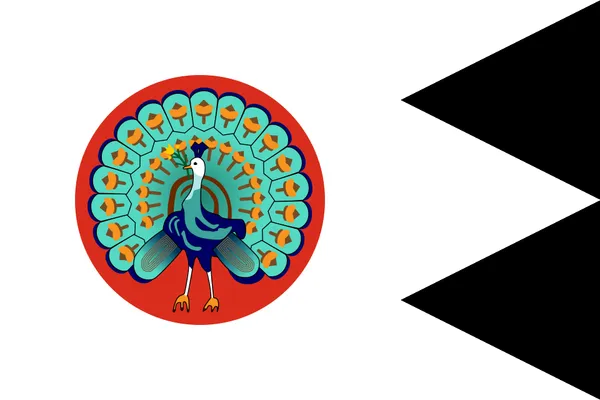
The Konbaung dynasty (Burmese: ကုန်းဘောင်မင်းဆက်), also known as the Third Burmese Empire (တတိယမြန်မာနိုင်ငံတော်), was the last dynasty that ruled Burma from 1752 to 1885. It created the second-largest empire in Burmese history and continued the administrative reforms begun by the Toungoo dynasty, laying the foundations of the modern state of Burma. The reforms, however, proved insufficient to stem the advance of the British Empire, which defeated the Burmese in all three Anglo-Burmese Wars over a six-decade span (1824–1885) and ended the millennium-old Burmese monarchy in 1885. Pretenders to the dynasty claim descent from Myat Phaya Lat, one of Thibaw's daughters. An expansionist dynasty, the Konbaung kings waged campaigns against the Lushai Hills, Manipur, Assam, Arakan, the Mon kingdom of Pegu, Siam, and the Qing dynasty of China—thus establishing the Third Burmese Empire. Subject to later wars and treaties with the British, the modern state of Myanmar can trace its current borders to these events. Throughout the Konbaung dynasty, the capital was relocated several times for religious, political, and strategic reasons.
Also on this shelf
Chen Cheng-po.
Ann Hui.
See also
Uncatalogued shelfText from Wikipedia; plate via Wikimedia Commons. Text CC BY-SA 4.0; plate freely licensed (see Commons). Source record. Images and catalogue data are reproduced from open-access collections.