Asian Art
Abbasid ceramics
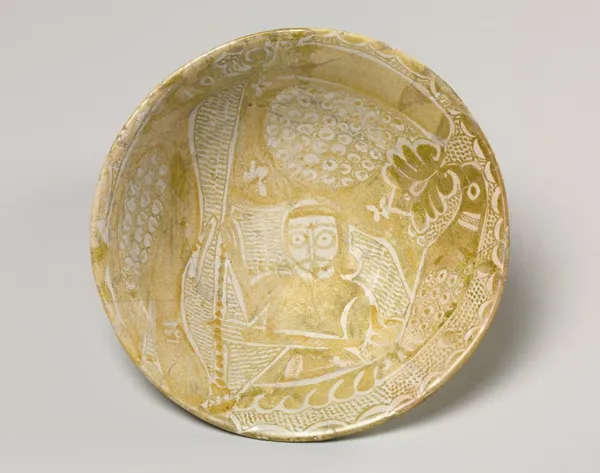
Abbasid ceramics or Abbasid pottery is a type of Islamic pottery created in Iraq during the Abbasid Dynasty, especially during the 9th and 10th centuries at the capitals of Baghdad and Samarra. Influenced by imports from the Abbasids’ wide-ranging trade networks and dispersed across the medieval Islamic world, Abbasid pottery is notable for its quality and wide stylistic variety and the development of lusterware techniques. Due to the Abbasids’ political, cultural and economic importance during this period, they were able to absorb and export a great deal of influence, taking on characteristics and techniques of Coptic and Chinese pottery. Abbasid ceramics were primarily made of clay and glazed with a variety of techniques, including that of lusterware, in order to mimic porcelain and produce a shimmering, multicolored quality. Ornamentation was primarily locally influenced and included a great variety of types of designs, including vegetal and figural imagery, geometric bands, calligraphy, and abstract designs.
Also on this shelf
Guanzi (text).
Early buildings of Wuhan University.
See also
Uncatalogued shelfText from Wikipedia; plate via Wikimedia Commons. Text CC BY-SA 4.0; plate freely licensed (see Commons). Source record. Images and catalogue data are reproduced from open-access collections.