Asian Art
Architecture of India
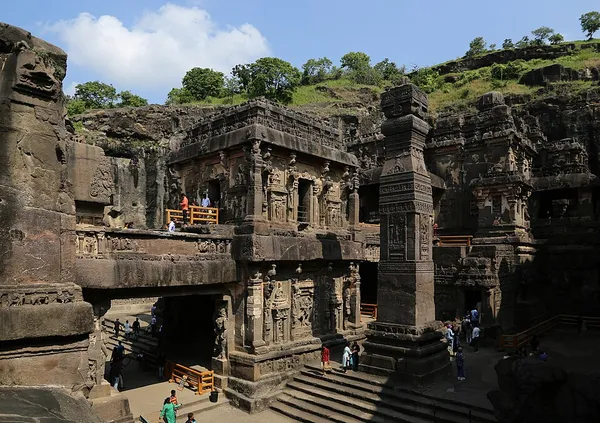
Indian architecture is rooted in the history, culture, and religion of India. Among multiple architectural styles and traditions, the best-known include the many built in accordance to Indian religion and philosophy with Hindu, Jain, Buddhist, and Sikh styles of architecture being the most prevalent in India, with Indo-Islamic architecture, Rajput architecture, Mughal architecture, South Indian architecture, and Indo-Saracenic architecture having a strong presence as well. Early Indian architecture was made from wood, which did not survive due to rotting and instability in the structures. Instead, the earliest surviving examples of Indian architecture are Indian rock-cut architecture, including many Buddhist, Hindu, and Jain temples. Hindu temple architecture is traditionally divided into two main architectural styles: the Dravidian style of southern India and Nagara style of northern India, with several regional variations that combine elements of both. Other regional styles, such as the Vesara style of the Deccan plateau and the Kalinga style of eastern India, developed through local tastes. In addition to temple architecture, domestic housing styles in India also vary widely between regions, reflecting differences in climate, geography, building materials, and cultural traditions. The first major Islamic empire in India was the Delhi Sultanate, which led to the development of Indo-Islamic architecture, combining Indian and Islamic architectural features. The rule of the Mughal Empire, when Mughal architecture evolved, is regarded as the zenith of Indo-Islamic architecture, with the Taj Mahal being the high point of their contribution. Indo-Islamic architecture got influenced by existing indigenous Hindu elements of style and later fused with Rajput and Sikh architecture as well. During the British colonial period, European styles including Neoclassical, Gothic Revival, and Baroque became prevalent across India. The amalgamation of Indo-Islamic and European styles led to a new style, known as the Indo-Saracenic style. Following the events succeeding India's independence from Britain, new European modernist ideas spread amongst Indian architects as a means of progressing as a new republic.
Also on this shelf
Guo Moruo.
History of the Jews in Hamburg.
See also
Uncatalogued shelfText from Wikipedia; plate via Wikimedia Commons. Text CC BY-SA 4.0; plate freely licensed (see Commons). Source record. Images and catalogue data are reproduced from open-access collections.