Asian Art
Avery Brundage
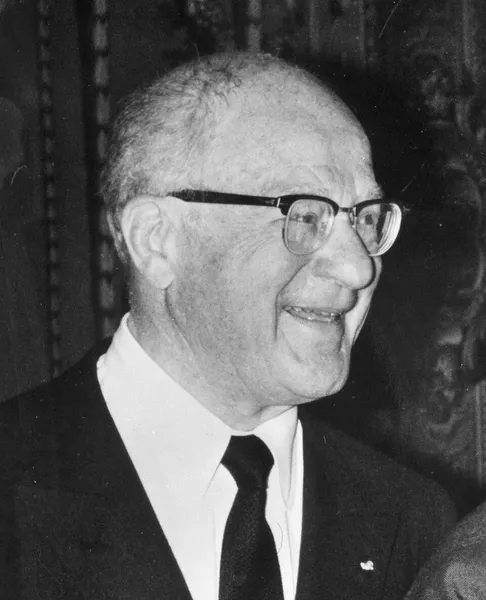
Avery Brundage (; September 28, 1887 – May 8, 1975) was the fifth president of the International Olympic Committee, serving from 1952 to 1972, the only American and first non-European to attain that position. Brundage is remembered as a zealous advocate of amateurism and for his involvement with the 1936 and 1972 Summer Olympics, both held in Germany. Brundage was born in Detroit in 1887 to a working-class family. When he was five years old, his father moved his family to Chicago and subsequently abandoned his wife and children. Raised mostly by relatives, Brundage attended the University of Illinois Urbana-Champaign to study engineering and became a track star. He competed in the 1912 Summer Olympics, where he participated in the pentathlon and decathlon, but did not win any medals; both events were won by teammate Jim Thorpe. He won national championships in track three times between 1914 and 1918 and founded his own construction business. He earned his wealth from this company and from investments, and never accepted pay for his involvement in sports. Following his retirement from athletics, Brundage became a sports administrator and rose rapidly through the ranks in United States sports groups. As leader of America's Olympic organizations, he fought zealously against a boycott of the 1936 Summer Olympics, which had been awarded to Germany before the rise of the Nazi regime and its escalating persecution of Jews. Brundage successfully prevented a US boycott of the Games, and he was elected to the IOC that year. He quickly became a major figure in the Olympic movement and was elected IOC president in 1952. As president of the American Olympic Committee, Brundage fought strongly for amateurism and against the commercialization of the Olympic Games, even as these stands increasingly came to be seen as incongruous with the realities of modern sports. The advent of the state-sponsored athlete of the Eastern Bloc countries further eroded the ideology of the pure amateur, as it put the self-financed amateurs of the Western countries at a disadvantage. The 1972 Summer Olympics at Munich, West Germany, were his final Games as president of the IOC. The event was marred by tragedy and controversy when eleven Israeli team members were murdered by Palestinian terrorists.
Also on this shelf
Curse.
Armenia–India relations.
See also
Uncatalogued shelfText from Wikipedia; plate via Wikimedia Commons. Text CC BY-SA 4.0; plate freely licensed (see Commons). Source record. Images and catalogue data are reproduced from open-access collections.