Asian Art
Edmund Burke
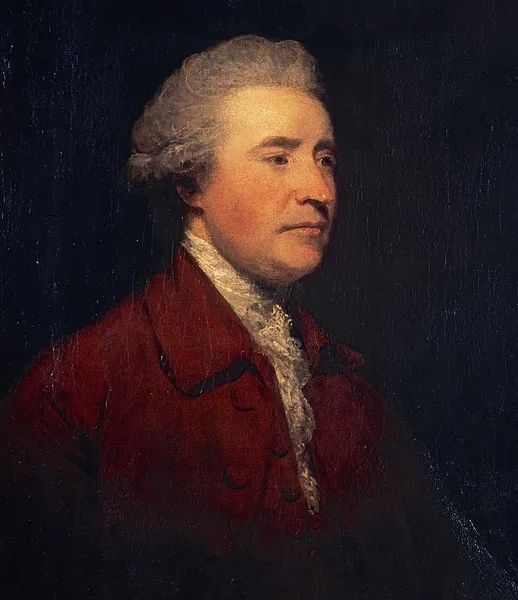
Edmund Burke (; 12 January [NS] 1729 – 9 July 1797) was an Anglo-Irish writer, philosopher, and politician who is widely credited as the founder of the cultural and political philosophy of conservatism. Regarded as one of the most influential conservative thinkers and political writers of the 18th century, Burke spent the majority of his career in Great Britain and was elected as a member of Parliament (MP) from 1766 to 1794 in the House of Commons of Great Britain with the Whig Party. His writings played a significant role in influencing public views and opinions in both Great Britain and France following the French Revolution in 1789, and he remains a major figure in modern conservative circles. Burke was a proponent of underpinning virtues with manners in society and of the importance of religious institutions for the moral stability and good of the state. These views were expressed in his satirical work, A Vindication of Natural Society (1756). He also criticised the actions of the British government towards the American colonies, including its taxation policies. Burke supported the rights of the colonists to resist metropolitan authority, although he opposed the attempt to achieve independence. He is particularly remembered for his long-term support for Catholic emancipation, his opposition to the French Revolution, and leading the attempt at impeachment of Warren Hastings from the East India Company. In 1774, Burke was elected a member of Parliament for Bristol. In his Reflections on the Revolution in France (1790), Burke asserted that the revolution was destroying the fabric of good society and traditional institutions of state and society, and he condemned the persecution of the Catholic Church that resulted from it. This led to him becoming a popular leading figure within the conservative faction of the Whig Party, which he dubbed the Old Whigs as opposed to the pro-French Revolution New Whigs led by Charles James Fox. Burke had a close relation with some of the public intellectuals of his time, including Samuel Johnson, David Garrick, Oliver Goldsmith, and Joshua Reynolds.
Also on this shelf
Asnières (Van Gogh series).
History of the Jews in Romania.
See also
Uncatalogued shelfText from Wikipedia; plate via Wikimedia Commons. Text CC BY-SA 4.0; plate freely licensed (see Commons). Source record. Images and catalogue data are reproduced from open-access collections.