Asian Art
Heungseon Daewongun
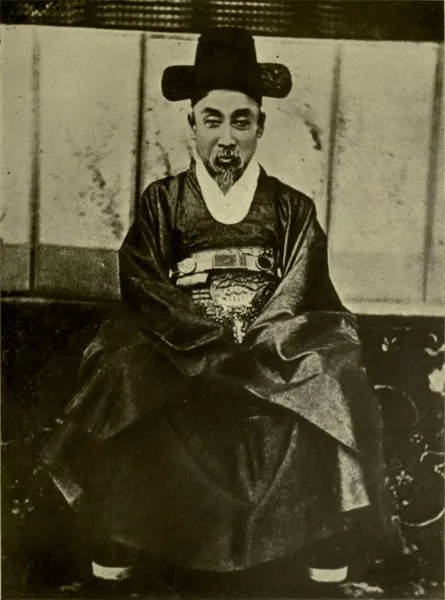
Heungseon Daewongun (Korean: 흥선대원군; Hanja: 興宣大院君; 24 January 1821 – 22 February 1898) was the title of Yi Ha-eung, the regent of Joseon during the minority of Emperor Gojong in the 1860s. Until his death, he was a key political figure of late Joseon Korea. He was known simply as the Daewongun (대원군; 大院君; lit. ''Grand Prince Regent''; though referred as 'Grand Internal Prince', due to his regency, Grand Prince Regent is more appropriate), Guktaegong (국태공; 國太公; lit. ''The Great Archduke''), or later Grand Internal Prince Imperial Heonui (헌의대원왕; 獻懿大院王); he was also known to contemporary western diplomats as Prince Gung. Daewongun literally translates as "grand prince of the court", a title customarily granted to the father of the reigning monarch when that father did not reign himself (usually because his son had been adopted as heir of a relative who did reign). While there had been three other daewonguns during the Joseon period, none were as dominant as Yi Ha-eung, so the term usually refers specifically to him. Joseon was going through changes in many aspects during this period, but was for the most part unable to keep up with the rapidly changing situation the country found itself in. Yi Ha-eung had to solve both the looming threat posed by Western nations, which were continuously encroaching upon the sovereignty of Eastern states, while at the same time attempt to rebuild a country ravaged by poverty and internal power struggles. He is remembered both for the wide-ranging reforms he attempted during his regency, as well as for what was described by historian Hilary Conroy as "vigorous enforcement of the seclusion policy, persecution of Christians, and the killing or driving off of foreigners who landed on Korean soil".
Also on this shelf
A Tour of the Waterfalls of the Provinces.
Edmund Burke.
See also
Uncatalogued shelfText from Wikipedia; plate via Wikimedia Commons. Text CC BY-SA 4.0; plate freely licensed (see Commons). Source record. Images and catalogue data are reproduced from open-access collections.