Asian Art
Abbasid Samarra
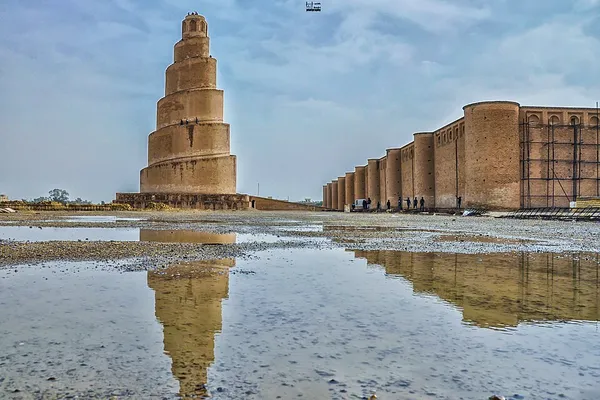
Samarra is a city in central Iraq, which served as the capital of the Abbasid Caliphate from 836 to 892. Founded by the caliph al-Mu'tasim, Samarra was briefly a major metropolis that stretched dozens of kilometers along the east bank of the Tigris, but was largely abandoned in the latter half of the 9th century, especially following the return of the caliphs to Baghdad. Due to the relatively short period of occupation, extensive ruins of Abbasid Samarra have survived into modern times. The layout of the city can still be seen via aerial photography, revealing a vast network of planned streets, houses, palaces and mosques. Studies comparing the archeological evidence with information provided by Muslim historians have resulted in the identification of many of the toponyms within the former city. The archeological site of Samarra was named by UNESCO as a World Heritage Site in 2007, calling it "the best-preserved plan of an ancient large city." The modern city bearing the same name lies within the Abbasid ruins.
Also on this shelf
Fermentation in food processing.
Ghost Festival.
See also
Uncatalogued shelfText from Wikipedia; plate via Wikimedia Commons. Text CC BY-SA 4.0; plate freely licensed (see Commons). Source record. Images and catalogue data are reproduced from open-access collections.