Asian Art
Ayurbarwada Buyantu Khan
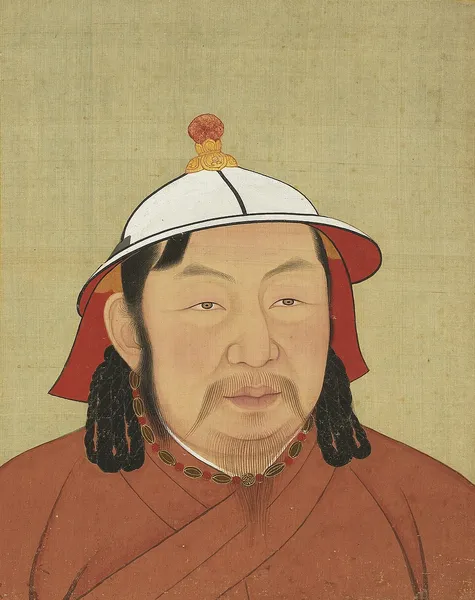
Buyantu Khan (Mongolian: Буянт Хаан; Mongolian script: ᠪᠣᠶᠠᠨᠲᠦ; Chinese: 普顏篤汗), born Ayurbarwada (Mongolian: Аюурбарбад ᠠᠶᠤᠷᠪᠠᠷᠪᠠᠳᠠ; Chinese: 愛育黎拔力八達), also known by his temple name as the Emperor Renzong of Yuan (Chinese: 元仁宗, April 9, 1285 – March 1, 1320), was the fourth emperor of the Yuan dynasty. In addition to being the Emperor of China, he is regarded as the eighth Great Khan of the Mongol Empire, although it was only nominal due to the division of the empire. His regnal name "Buyantu Khan" means "blessed/good Khan" in the Mongolian language. His personal name "Ayurbarwada" was derived from a Sanskrit compound Āyurpārvata (आयुर्पार्वत), which means "the mountain of longevity", in contrast with Emperor Wuzong's name Qaišan (海山, "mountains and seas" in Chinese). Ayurbarwada was the first Yuan emperor who actively supported the adoption of Confucian principles into the administration system. The emperor, who was mentored by the Confucian academic Li Meng, succeeded peacefully to the throne and reversed his older brother Khayisan's policies. More importantly, Ayurbarwada reinstituted the civil service examination system for the Yuan dynasty.
Also on this shelf
Dhadi (music).
Blue pottery of Jaipur.
See also
Uncatalogued shelfText from Wikipedia; plate via Wikimedia Commons. Text CC BY-SA 4.0; plate freely licensed (see Commons). Source record. Images and catalogue data are reproduced from open-access collections.