Asian Art
Jurchen people
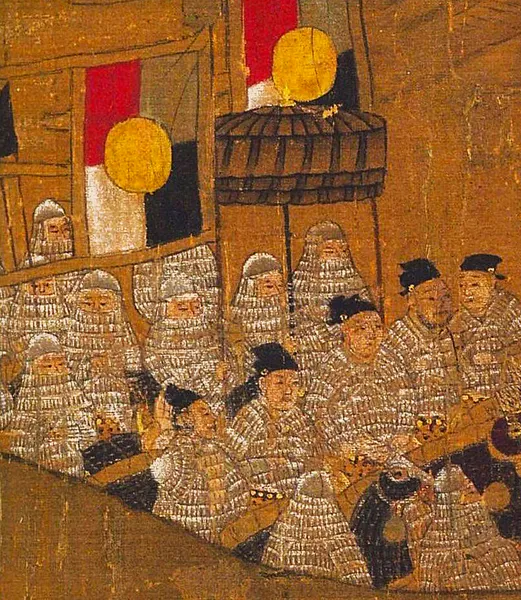
Jurchen (Manchu: ᠵᡠᡧᡝᠨ, romanized: Jušen, [dʒuʃən]; Chinese: 女真, romanized: Nǚzhēn, [nỳ.ʈʂə́n]) were a number of East Asian Tungusic-speaking people. They lived in northeastern China, also known as Manchuria, before the 18th century. Hong Taiji renamed the Jurchens as Manchus in 1635. The Jurchens were culturally diverse, with different groups living as hunter-gatherers, pastoralist semi-nomads, or sedentary agriculturists. Generally lacking a central authority, and having little communication with each other, many Jurchen groups fell under the influence of neighbouring dynasties, their chiefs paying tribute and holding nominal posts as effectively hereditary commanders of border guards. The Jurchens are chiefly known for establishing the Jin (1115–1234) and Qing (1636–1912) conquest dynasties on Chinese territory. The latter dynasty, originally calling itself the Later Jin, was founded by a Jianzhou commander, Nurhaci (r. 1616–26), who unified most Jurchen tribes, incorporated their entire population into hereditary military regiments known as the Eight Banners, and patronized the creation of an alphabet for their language based on the Mongolian script. The term Manchu, already in official use by the Later Jin at that time, was in 1635 decreed to be the sole acceptable name for that people.
Also on this shelf
Anushtegin dynasty.
Book illustration.
See also
Uncatalogued shelfText from Wikipedia; plate via Wikimedia Commons. Text CC BY-SA 4.0; plate freely licensed (see Commons). Source record. Images and catalogue data are reproduced from open-access collections.