Asian Art
History of the Jews in Lebanon
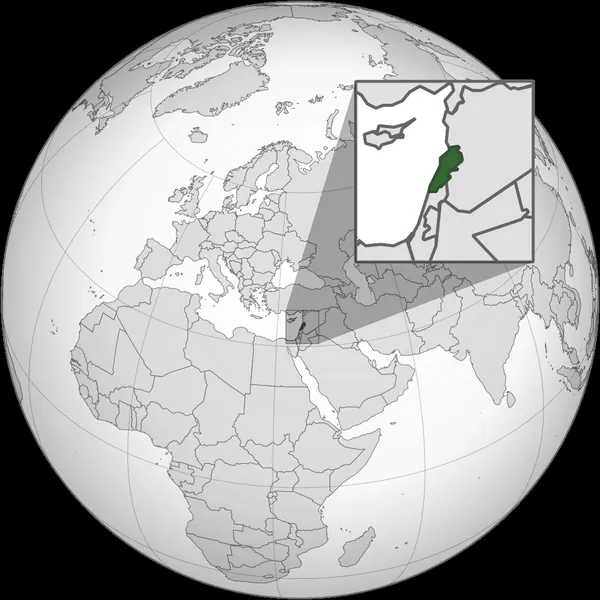
The history of the Jews in Lebanon refers to the presence of Jews in Lebanon since biblical times. The number of Jews living in Lebanon dwindled during the Muslim era. However, despite persecution, the community retained its religious and cultural identity. In the early 20th century, for a brief period under the French Mandate of Lebanon and 1926 Constitution of Lebanon, the Jewish community was constitutionally protected. However, after 1948, the security of Jews remained fragile, and the main synagogue in Beirut was bombed in the early 1950s. In the wake of the 1967 Arab–Israeli War, there was mass emigration of around 6,000 Lebanese Jews from Lebanon to Israel and Western countries. During the Lebanese Civil War, some 200 members of the community were killed in anti-Jewish pogroms, and over 1,800 displaced. In August 1982, when Israeli forces invaded Lebanon and lay siege to Beirut, over 100 Jewish families were displaced and the synagogue suffered extensive damage. By 2005, the number of Jews living in the Jewish quarter of Beirut, Wadi Abu Jamil, was said to be 40-200. The Jews were officially called Israelites or Mousawiyyin (followers of Moses). While there are no official estimates for the size of the remaining Jewish community today, it is estimated that there are only 70–100 Jews left, and most remain under the radar for fear of persecution.
Also on this shelf
Constitution of the Republic of China.
Banana.
See also
Uncatalogued shelfText from Wikipedia; plate via Wikimedia Commons. Text CC BY-SA 4.0; plate freely licensed (see Commons). Source record. Images and catalogue data are reproduced from open-access collections.