Asian Art
Foreign relations of Israel
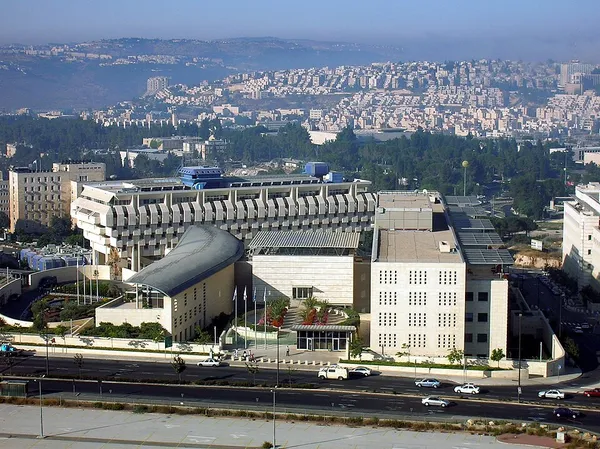
Foreign relations of Israel refers to diplomatic and trade relations between Israel and other countries around the world. Israel has diplomatic ties with 165 of the other 192 UN member states as of 12 December 2020. Israel is a member of the United Nations (UN) and a number of other international organisations. Israel maintains full diplomatic relations with two of its Arab neighbours, Egypt and Jordan, after signing peace treaties in 1979 and 1994 respectively. In 2020, Israel signed agreements establishing diplomatic relations with three Arab League countries, Bahrain, the United Arab Emirates, and Morocco. As of 2021, Israel had formal diplomatic relations with 168 countries, while 28 UN member states have either never established, or have broken off diplomatic relations with Israel. Israel's foreign relations are influenced primarily by Israel's strategic situation in the Middle East, the broader Arab–Israeli conflict and the conflict with Iran particularly over Iran's nuclear program, along with the rejection by regional states. Israel's foreign policy goals have therefore been to overcome diplomatic isolation and to achieve recognition and friendly relations with as many nations as possible, both in the Middle East region and further afield. Israel practices both open and secret diplomacy to further national goals, for example, commercial trade and science and technology cooperation, importing raw materials, engaging in military procurement as well as exporting arms and military assistance, intelligence cooperation with its allies, and prisoner-of-war exchanges and other arrangements for hostage releases. It has also sought to foster increased Jewish immigration to Israel and to protect vulnerable Jewish communities in the Diaspora, to offer aid to developing countries and humanitarian assistance to countries facing large-scale disasters. Israel's close friendship with the United States has been a linchpin of its foreign policy since the establishment of the state. Until the Iranian Revolution and the fall of the Pahlavi dynasty in 1979, Israel and Iran maintained close ties. Iran was the second Muslim-majority country to recognize Israel as a sovereign nation after Turkey. In the mid-20th century, Israel ran extensive foreign aid and educational programs in Africa, sending experts in agriculture, water management and health care.
Also on this shelf
Buddhism in Central Asia.
Ganesha in world religions.
See also
Uncatalogued shelfText from Wikipedia; plate via Wikimedia Commons. Text CC BY-SA 4.0; plate freely licensed (see Commons). Source record. Images and catalogue data are reproduced from open-access collections.