Asian Art
Chinese Indonesians
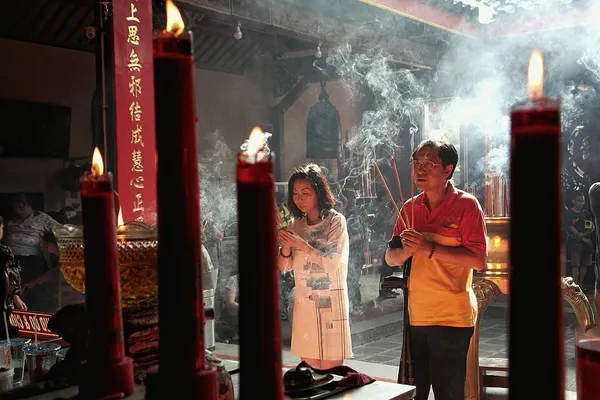
Chinese Indonesians (Indonesian: Orang Tionghoa Indonesia, simplified Chinese: 印度尼西亚华人; traditional Chinese: 印度尼西亞華人; pinyin: Yìndùníxīyà huárén), also known as Chindo (slang), Orang Tionghoa or simply Tionghoa, are Indonesian citizens of Chinese heritage whose ancestors arrived at some stage in the last eight centuries. While their long-standing presence is well established, Indonesia’s 2020 national census does not systematically record ethnic data, making precise estimates of the Chinese Indonesian population difficult. The 2010 census, the most recent Indonesian census to record ethnic categories, reported 2,832,510 Chinese Indonesians. Indonesian demographic experts estimated around 3.28 million in 2020, making the community the fourth-largest overseas Chinese population in the world. Chinese people and their Indonesian descendants have lived in the Indonesian archipelago since at least the 13th century. Many came initially as sojourners (temporary residents), intending to return home in their old age. Some, however, stayed in the region as economic migrants. Their population grew rapidly during the colonial period when workers were contracted from their home provinces in Southern China. Discrimination against Chinese Indonesians has occurred since the start of Dutch colonialism in the region, although government policies implemented since 1998 have attempted to redress this. Resentment of ethnic Chinese economic aptitude grew in the 1950s as Native Indonesian merchants felt they could not remain competitive. Under the Suharto government backed by the United States during the Cold War, systematic massacres against ethnic Chinese occurred in the name of "anti-communism". Government action later propagated the stereotype that ethnic Chinese-owned conglomerates were corrupt. Although the 1997 Asian financial crisis severely disrupted their business activities, reform of government policy and legislation removed most if not all political and social restrictions on Chinese Indonesians. The development of local Chinese society and culture is based upon three pillars: clan associations, ethnic media and Chinese-language schools. These flourished during the period of overseas Chinese nationalism among Chinese Indonesia; however, differences in the objective of nationalist sentiments brought about a split in the population.
Also on this shelf
Göktürks.
Divination.
See also
Uncatalogued shelfText from Wikipedia; plate via Wikimedia Commons. Text CC BY-SA 4.0; plate freely licensed (see Commons). Source record. Images and catalogue data are reproduced from open-access collections.