Asian Art
Chinese tea culture
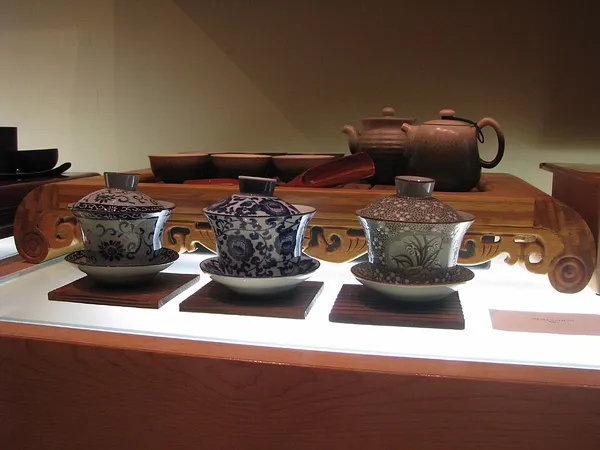
Chinese tea culture includes all facets of tea (Chinese: 茶; pinyin: chá) found in Chinese culture throughout history. Physically, it consists of tea cultivation, brewing, serving, consumption, arts, and ceremonial aspects. Tea culture is an integral part of traditional Chinese material culture and spiritual culture. Tea culture emerged in the Tang dynasty, and flourished in the succeeding eras as a major cultural practice and as a major export good. Chinese tea culture heavily influenced the cultures in neighboring East Asian countries, such as Japan and Korea, with each country developing a slightly different form of the tea ceremony. Chinese tea culture, especially the material aspects of tea cultivation, processing, and teaware also influenced later adopters of tea, such as India, the United Kingdom, and Russia (even though these tea cultures diverge considerably in preparation and taste). Tea is still consumed regularly in modern China, both on casual and formal occasions. In addition to being a popular beverage, tea is used as an integral ingredient in traditional Chinese medicine as well as in Chinese cuisine. Tea also holds symbolic significance in the Five Elements (wuxing) theory. The tea plant represents Wood; pan-firing adds Fire and Metal; brewing uses Water; and ceramic serving embodies Earth. This cycle harmonizes all elements in one cup, reflecting Daoist balance.
Also on this shelf
Empress Myeongseong.
Dream of the Red Chamber.
See also
Uncatalogued shelfText from Wikipedia; plate via Wikimedia Commons. Text CC BY-SA 4.0; plate freely licensed (see Commons). Source record. Images and catalogue data are reproduced from open-access collections.