Asian Art
Buddhism in Russia
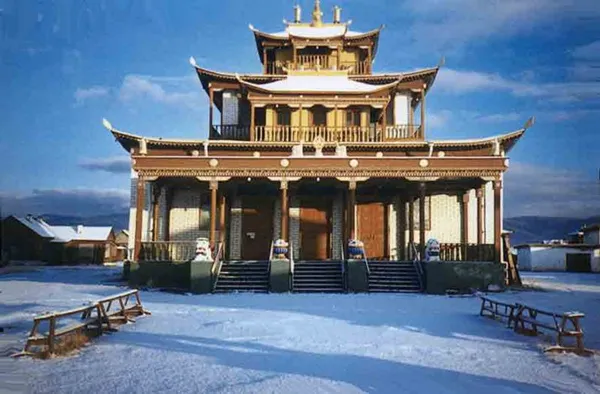
Buddhism is the third-largest religion in Russia, following Christianity and Islam. As of 2025, it was practiced by approximately 1.4 million people (Buddhists), representing about 1.0% of the country’s total population. Buddhism is considered to be one of Russia's traditional religions and is legally a part of Russian historical heritage. Historically, Buddhism was incorporated into Siberia in the early 17th century. Besides the historical monastic traditions of the Buryats, the Kalmyks (Kalmykia the latter being the only Buddhist-majority republic in Europe), the Tuvans, and a part of the Evenki people (in Buryatia), the religion of Buddhism is now spreading all over Russia, with many ethnic Russian converts. The main form of Buddhism in Russia is Vajrayana, namely the Gelukpa school of Tibetan Buddhism, informally known as the "yellow hat" tradition, with other Tibetan and non-Tibetan schools as minorities. Although Tibetan Buddhism is most often associated with Tibet, it spread into Mongolia. Via Mongolia, Buddhism spread into Siberia before spreading to the rest of Russia. In the early 20th century, the famous Datsan Gunzechoinei in Saint Petersburg was the northernmost Buddhist temple in Russia.
Also on this shelf
Huayan.
Bhoramdeo Temple.
See also
Uncatalogued shelfText from Wikipedia; plate via Wikimedia Commons. Text CC BY-SA 4.0; plate freely licensed (see Commons). Source record. Images and catalogue data are reproduced from open-access collections.