Asian Art
Kabuki
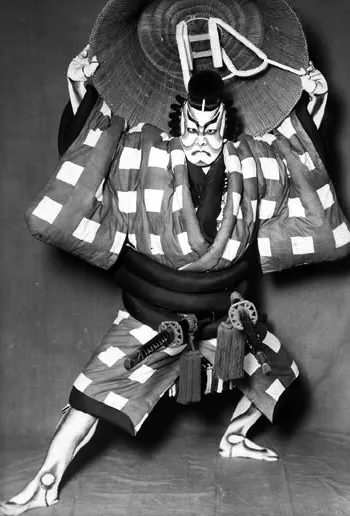
Kabuki (歌舞伎; Japanese pronunciation: [ka.bɯ.kʲi]) is a classical form of Japanese theatre, mixing dramatic performance with traditional dance. Kabuki theatre is known for its heavily stylised performances, its glamorous, highly decorated costumes, and for the elaborate kumadori make-up worn by some of its performers. Kabuki is thought to have originated in the early Edo period, when the art's founder, Izumo no Okuni, formed a female dance troupe that performed dances and light sketches in Kyoto. The art form later developed into its present all-male theatrical form after women were banned from performing in kabuki theatre in 1629. Kabuki developed throughout the late 17th century and reached its zenith in the mid-18th century. In 2005, kabuki theatre was proclaimed by UNESCO as an intangible heritage possessing outstanding universal value. In 2008, it was inscribed in the UNESCO Representative List of the Intangible Cultural Heritage of Humanity.
Also on this shelf
Burrell Collection.
East India Company.
See also
Uncatalogued shelfText from Wikipedia; plate via Wikimedia Commons. Text CC BY-SA 4.0; plate freely licensed (see Commons). Source record. Images and catalogue data are reproduced from open-access collections.