Asian Art
History of Japanese foreign relations
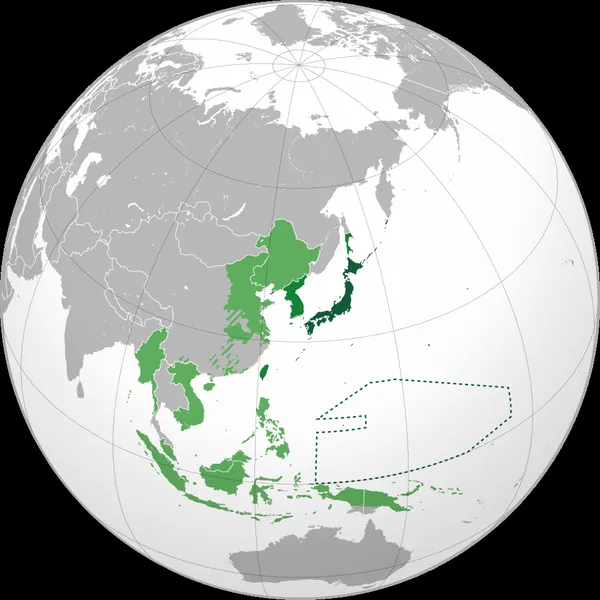
The history of Japanese foreign relations deals with the international relations in terms of diplomacy, economics and political affairs from about 1850 to 2000. The kingdom was largely isolated before the 1850s, with limited contacts through Dutch traders. The Meiji Restoration was a political revolution that installed a new leadership that was eager to borrow Western technology and organization. The government in Tokyo carefully monitored and controlled outside interactions. Japanese delegations to Europe brought back European standards which were widely imposed across the government and the economy. Trade flourished, and Japan rapidly industrialized. In the late 19th century Japan defeated China, and acquired numerous colonies, including Formosa and Okinawa. The rapid advances in Japanese military prowess led to the Russo-Japanese War, the first time a non-Western nation defeated a European power. Imperialism continued as it took control of Korea, and began moving into Manchuria. Its only military alliance was with Great Britain, from 1902 to 1923. In the First World War, it joined the Entente powers, and seized many German possessions in the Pacific and in China. Although the political system was officially democratic, the Army increasingly seized control in Japan. In the 1920s, Japan contested Manchuria with the Soviet Union, invading it in 1931. It joined the Axis alliance with Germany, but there was little close cooperation between the two nations until 1943. Japan opened a full-scale war in China in 1937, committing several war crimes. Two puppet regimes were nominally in charge in China and Manchuria. Military confrontations with the Soviet Union led Japan to sign a Neutrality Pact with the Soviet union. American, British, and Dutch economic and financial pressures resulted in the cut off of vitally needed oil supplies in 1941. Japan declared war, and in three months won multiple battles, as well as continuing the war with China. The Japanese economy could not support the large-scale war effort, especially with the rapid buildup of the American navy. By 1944, Japan was heavily on the defensive, as its Greater East Asia Co-prosperity Sphere collapsed, its navy was sunk, and American bombing started to devastate major Japanese cities.
Also on this shelf
Bamboo.
Chinese people in Japan.
See also
Uncatalogued shelfText from Wikipedia; plate via Wikimedia Commons. Text CC BY-SA 4.0; plate freely licensed (see Commons). Source record. Images and catalogue data are reproduced from open-access collections.