Art of the Americas
Mozambique
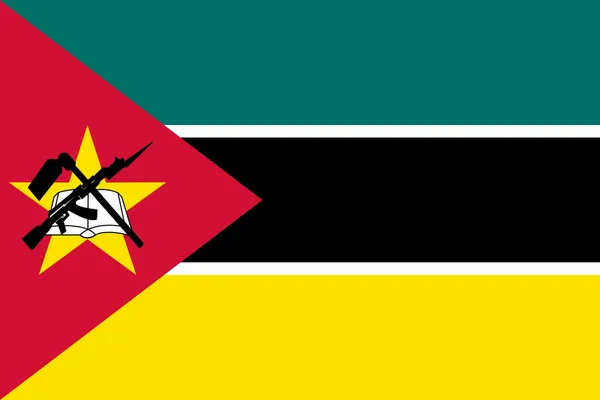
Mozambique, officially the Republic of Mozambique, is a country in Southeast Africa bordered by the Indian Ocean to the east, Tanzania to the north, Malawi and Zambia to the northwest, Zimbabwe to the west, and Eswatini and South Africa to the south and southwest. The sovereign state is separated from the Comoros, Mayotte, and Madagascar through the Mozambique Channel to the east. The capital and largest city is Maputo. Between the 7th and 11th centuries, a series of Swahili port towns developed in the area, which contributed to the development of a distinct Swahili culture and dialect. In the late medieval period, these towns were frequented by traders from Somalia, Ethiopia, Egypt, Arabia, Persia, and India. The voyage of Vasco da Gama in 1498 marked the arrival of the Portuguese, who began a gradual process of colonisation and settlement in 1505. After over four centuries of Portuguese rule, Mozambique gained independence in 1975, becoming the People's Republic of Mozambique shortly thereafter. After only two years of independence, the country descended into an intense and protracted civil war lasting from 1977 to 1992. In 1994, Mozambique held its first multiparty elections and has since remained a relatively stable presidential republic, although it still faces a low-intensity insurgency mainly in the furthest regions from the southern capital and where Islam is the dominant faith. Mozambique is endowed with rich and extensive natural resources. The country's economy is based chiefly on fishery—mostly molluscs, crustaceans and echinoderms—and agriculture, with a growing industry of food and beverages, chemical manufacturing, aluminium and oil. The tourism sector is expanding. Mozambique's GDP grew significantly after 2001, but since 2014/15, both a significant decrease in household real consumption and a sharp rise in economic inequality have been observed. The nation remains one of the poorest and most underdeveloped countries in the world, ranking low in GDP per capita, human development, measures of inequality and average life expectancy. Mozambique's population of around 34,777,605 (as of 2024 estimates; a 2.96% increase from 2023) consists of more than 2,000 ethnic groups and is composed overwhelmingly of Bantu peoples.
Also on this shelf
Caddoan Mississippian culture.
Archaic period (North America).
See also
Uncatalogued shelfText from Wikipedia; plate via Wikimedia Commons. Text CC BY-SA 4.0; plate freely licensed (see Commons). Source record. Images and catalogue data are reproduced from open-access collections.