Art of the Americas
History of the Americas
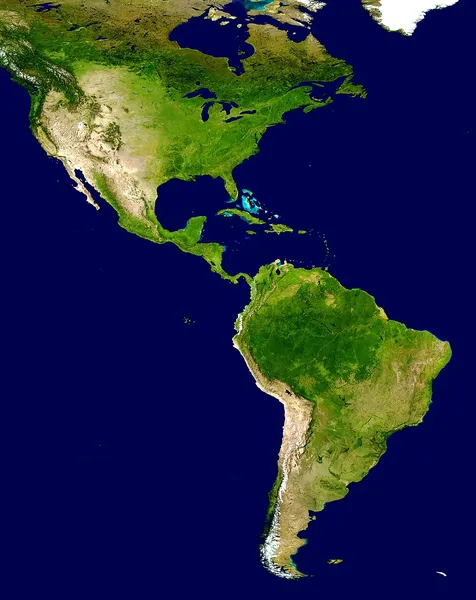
The human history of the Americas is thought to begin with people migrating to these areas from Asia during the height of an ice age. These groups are generally believed to have been isolated from the people of the "Old World" until the coming of Europeans in 1492 with the voyages of Christopher Columbus. The ancestors of today's American Indigenous peoples were the Paleo-Indians; they were hunter-gatherers who migrated into North America. The most popular theory asserts that migrants came to the Americas via Beringia, the land mass now covered by the ocean waters of the Bering Strait. Small lithic stage peoples followed megafauna like bison, mammoth (now extinct), and caribou, thus gaining the modern nickname "big-game hunters." Groups of people may also have traveled into North America on shelf or sheet ice along the northern Pacific coast. Sedentary societies developed primarily in two regions: Mesoamerica and the Andean civilizations. Mesoamerican cultures include Zapotec, Toltec, Olmec, Maya, Aztec, Mixtec, Totonac, Teotihuacan, Huastec people, Purépecha, Izapa, and Mazatec. Andean cultures include Inca, Caral-Supe, Wari, Tiwanaku, Chimor, Moche, Muisca, Chavin, Paracas, and Nazca. After the voyages of Christopher Columbus in 1492, Spanish and later Portuguese, English, French and Dutch colonial expeditions arrived in the New World, conquering and settling the discovered lands, which led to a transformation of the cultural and physical landscape in the Americas. Spain colonized most of the Americas from present-day Southwestern United States, Florida and the Caribbean to the southern tip of South America. Portugal settled in what is mostly present-day Brazil while England established colonies on the Eastern coast of the United States, as well as the North Pacific coast and in most of Canada. France settled in Quebec and other parts of Eastern Canada and claimed an area in what is today the central United States. The Netherlands settled New Netherland (administrative centre New Amsterdam – now New York), some Caribbean islands and parts of Northern South America. European colonization of the Americas led to the rise of new cultures, civilizations and eventually states, which resulted from the fusion of Native American, European, and African traditions, peoples and institutions.
Also on this shelf
Calmecac.
Human sacrifice in pre-Columbian cultures.
See also
Uncatalogued shelfText from Wikipedia; plate via Wikimedia Commons. Text CC BY-SA 4.0; plate freely licensed (see Commons). Source record. Images and catalogue data are reproduced from open-access collections.