Art of the Americas
Human sacrifice in Maya culture
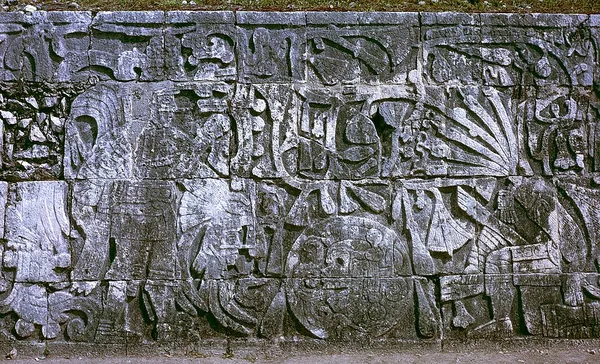
During the pre-Columbian era, human sacrifice in Maya culture was the ritual offering of nourishment to the gods. Blood was viewed as a potent source of nourishment for the Maya deities, and the sacrifice of a living creature was a powerful blood offering. By extension, human sacrifice was the ultimate offering of blood to the gods and the culmination of the most important Maya rituals. Generally, only high-status prisoners of war were sacrificed, and lower status captives were used for labor. Human sacrifice among the Maya is evident from at least the Classic period (c. AD 250–900) right through to the final stages of the Spanish conquest in the 17th century. Human sacrifice is depicted in Classic Maya art, is mentioned in Classic period glyph texts and has been verified archaeologically by analysis of skeletal remains from the Classic and Postclassic (c. AD 900–1524) periods. Additionally, human sacrifice is described in a number of late Maya and early Spanish colonial texts, including the Madrid Codex, the Kʼicheʼ epic Popol Vuh, the Kʼicheʼ Título de Totonicapán, the Kʼicheʼ language Rabinal Achi, the Annals of the Kaqchikels, the Yucatec Songs of Dzitbalche and Diego de Landa's Relación de las cosas de Yucatán.
Also on this shelf
Human sacrifice in Aztec culture.
Maya civilization.
See also
Uncatalogued shelfText from Wikipedia; plate via Wikimedia Commons. Text CC BY-SA 4.0; plate freely licensed (see Commons). Source record. Images and catalogue data are reproduced from open-access collections.