Art of the Americas
Tairona
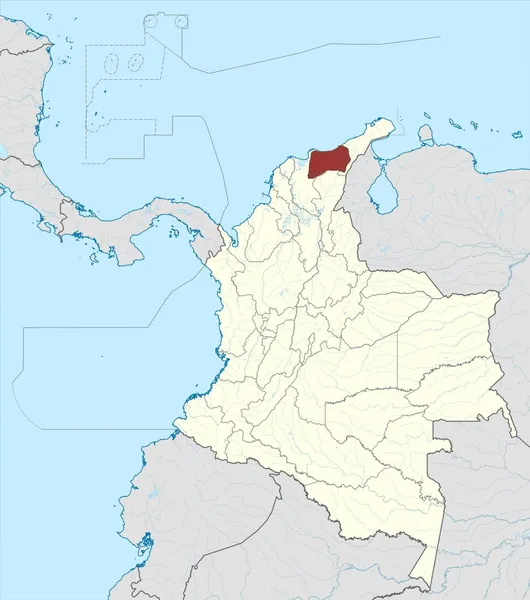
Tairona or Tayrona was a Pre-Columbian cultural tradition characterised by a set of intense and complex relations between the coast, the slopes and the mountains of the Sierra Nevada de Santa Marta (in present-day Cesar, Magdalena and La Guajira Departments of Colombia, South America) sharing technology and social aspects and functioning effectively as an integrated organisational and productive system which consisted of a group of different chiefdoms whose definitive formation as an independent cultural tradition goes back to at least the 10th and 11th centuries AD. Genetic and archaeological evidence shows a relatively dense occupation of the region by at least 200 BC. Pollen data compiled by Luisa Fernanda Herrera in 1980 shows considerable deforestation and the use of cultigens such as yuca and maize since possibly 1200 BC. However, occupation of the Colombian Caribbean coast by sedentary or semi-sedentary populations has been documented to have occurred by c. 4000 BC. In 2022, Gutiérrez Montoya Nayibe published the first complete synthesis of knowledge and research on the so-called Tairona. Ethnohistorical data shows that initial contact with the Spanish was tolerated by the Tairona; but by 1600 AD confrontations grew, and a small part of the Tairona population moved to the higher stretches of the Sierra Nevada de Santa Marta. This movement allowed them to evade the worst of the Spanish colonial system during the 17th and 18th centuries. The Indigenous Kogi, Wiwa, Arhuacos (Ijka, Ifca) and Kankuamo people who live in the area today are believed to be direct descendants of the Tairona.
Also on this shelf
Caral–Supe civilization.
Codex Bodley.
See also
Uncatalogued shelfText from Wikipedia; plate via Wikimedia Commons. Text CC BY-SA 4.0; plate freely licensed (see Commons). Source record. Images and catalogue data are reproduced from open-access collections.