Art of the Americas
Chalcatzingo
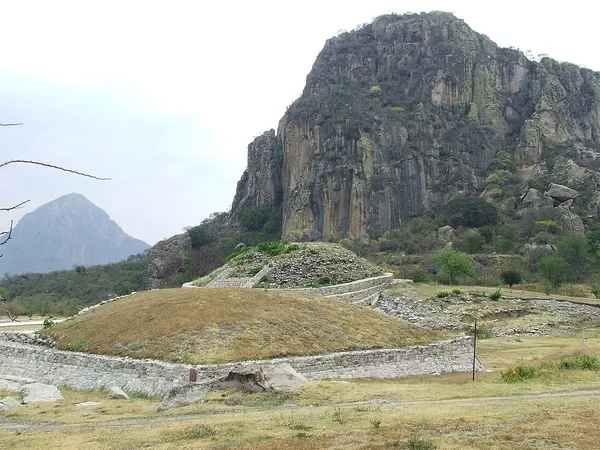
Chalcatzingo is a Mesoamerican archaeological site in the Valley of Morelos (municipality of Jantetelco) dating from the Formative Period of Mesoamerican chronology. The site is well known for its extensive array of Olmec-style monumental art and iconography. Located in the southern portion of the Central Highlands of Mexico, Chalcatzingo is estimated to have been settled as early as 1500 BCE. The inhabitants began to produce and display Olmec-style art and architecture around 900 BCE. At its height between 700 BCE and 500 BCE, Chalcatzingo's population is estimated at between five hundred and a thousand people. By 500 BCE it had gone into decline. The climate in Morelos is generally warmer and more humid than the rest of the Highlands. The Chalcatzingo center covers roughly 100 acres (0.40 km2). Evidence indicates that this was a site of ritual significance. Chalcatzingo is situated near two large granodiorite hills in the Amatzinac River Valley, within an otherwise generally flat landscape. Its early residents likely sourced their water from a nearby spring. Chalcatzingo connected trade routes between Guerrero, the Valley of Mexico, Oaxaca, and the Gulf Lowlands.
Also on this shelf
Eduard Seler.
God L.
See also
Uncatalogued shelfText from Wikipedia; plate via Wikimedia Commons. Text CC BY-SA 4.0; plate freely licensed (see Commons). Source record. Images and catalogue data are reproduced from open-access collections.