Art of the Americas
Chavín culture
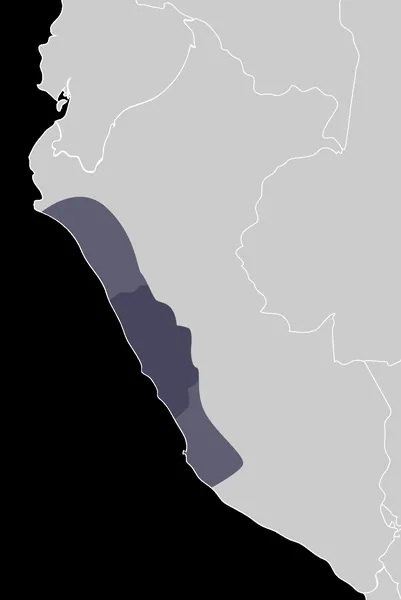
The Chavín culture was a pre-Columbian civilization, developed in the northern Andean highlands of Peru around 900 BCE, ending around 250 BCE. It extended its influence to other civilizations along the Peruvian coast. The Chavín people (whose name for themselves is unknown) were located in the Mosna Valley where the Mosna and Huachecsa rivers merge. This area is 3,150 metres (10,330 ft) above sea level and encompasses the quechua, suni, and puna life zones. In the periodization of pre-Columbian Peru, the Chavín is the main culture of the Early Horizon period in highland Peru, characterized by the intensification of the religious cult, the appearance of ceramics closely related to the ceremonial centers, the improvement of agricultural techniques and the development of metallurgy and textiles. The best-known archaeological site for the Chavín culture is Chavín de Huántar, located in the Andean highlands of the present-day Ancash Region. Although Chavín de Huántar may or may not have been the center or birthplace of the Chavín culture, it was of great importance and has been designated a UNESCO World Heritage Site.
Also on this shelf
Hernán Pérez de Quesada.
Indigenous peoples of the Northwest Plateau.
See also
Uncatalogued shelfText from Wikipedia; plate via Wikimedia Commons. Text CC BY-SA 4.0; plate freely licensed (see Commons). Source record. Images and catalogue data are reproduced from open-access collections.