Art of the Americas
Chinchorro culture
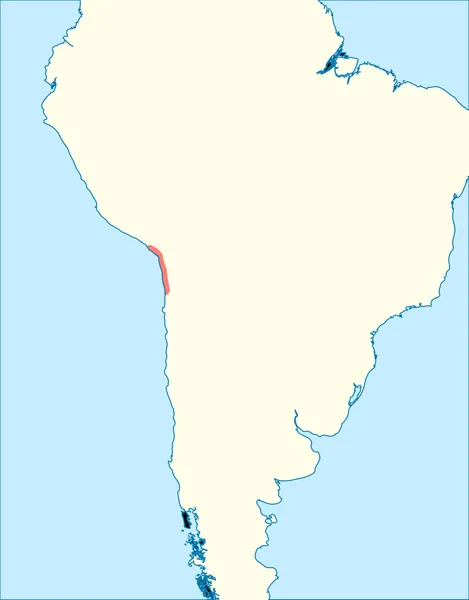
The Chinchorro culture of South America was a preceramic culture that lasted from 9,100 to 3,500 years BP (7,000 to 1,500 BCE). The people forming the Chinchorro culture were sedentary fishermen inhabiting the Pacific coastal region of current northern Chile and southern Peru. Presence of fresh water in the arid region on the coast facilitated human settlement in this area. The Chinchorro were famous for their detailed mummification and funerary practices. The area of the Chinchorro culture started to receive influences from the Andean Plateau around 4,000 BP, which led to the adoption of agriculture. Much later, it came under the influence of the Tiwanaku Empire. In 2021, the Chinchorro culture was included in the UNESCO World Heritage List.
Also on this shelf
Bill Holm (art historian).
Helen Heffron Roberts.
See also
Uncatalogued shelfText from Wikipedia; plate via Wikimedia Commons. Text CC BY-SA 4.0; plate freely licensed (see Commons). Source record. Images and catalogue data are reproduced from open-access collections.