Art of the Americas
Las Vegas culture (archaeology)
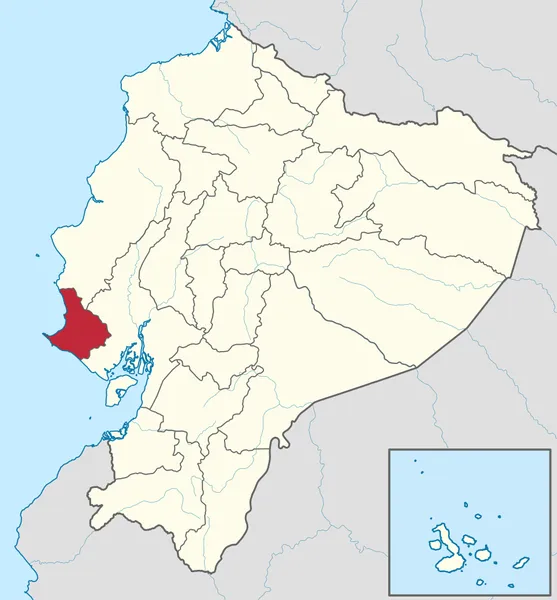
The Las Vegas culture was a pre-ceramic society that inhabited the Santa Elena Peninsula on the coast of present-day Ecuador between approximately 8000 and 4600 BCE. Named after the prominent Site No. 80 near the Las Vegas River, now within the city of Santa Elena, it represents one of the earliest sedentary adaptations to a complex coastal environment in South America. The culture is notable for its early experimentation with agriculture, including the domestication of squash, bottle gourd, and later maize, alongside a subsistence strategy based on hunting, fishing, and foraging. Archaeological evidence from at least 32 sites, including one of the largest known burial grounds in South America, provides insight into the Las Vegas people's social organization, settlement patterns, and adaptation to environmental changes such as rising sea levels.
Also on this shelf
Duane Pasco.
Fall of Tenochtitlan.
See also
Uncatalogued shelfText from Wikipedia; plate via Wikimedia Commons. Text CC BY-SA 4.0; plate freely licensed (see Commons). Source record. Images and catalogue data are reproduced from open-access collections.