Art of the Americas
History of the tortilla
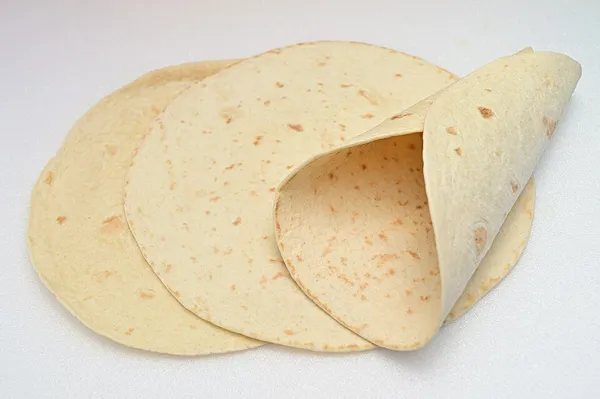
The earliest type of tortilla is the corn tortilla, originating in the ancient societies of Mesoamerica. Corn (maize) was the main staple of these societies since its cultivation in the 6th millennium BC; they developed the process of nixtamalization to produce masa, a dough that would become the basis of corn tortillas. It is unknown when tortillas originated, but they became popular with the development of civilizations, such as the Oaxaca Valley in 500–100 BC. They became a central dish of Aztec cuisine by the time of the Aztec Empire. Aztec influence may have popularized the tortilla among the Maya, among whom tortillas were previously not present. Wheat was introduced to Mesoamerica during the Spanish conquest of the Aztec Empire, which began with the arrival of Hernan Cortés in 1519. The Spanish began eating wheat loaf bread while the indigenous population ate corn tortillas. The Spanish territory of New Spain (later Mexico) expanded northward into regions including Sonora. Settlers of Northern Mexico began eating flour tortillas made of wheat grown in the region, creating a regional division between wheat and corn tortillas. Mexican populations in Texas and in California were displaced by Americans in the 19th century, but tortillas remained common in these areas. Corn tortillas also increased in consumption among indigenous Mexicans, despite views of the Porfirio Diaz administration opposing them. After the end of the Mexican Revolution in 1920, electrification made tortilla making more efficient, and workers in cities began purchasing tortillas from tortillerias. The tortilla became a national symbol of Mexico around this time and became popular among the urban middle class. Tortilla machines for industrial production gained widespread use in the 1950s, although there had been earlier attempts. This change was marked by the use of dried masa flour, or masa harina, which was produced by two Mexican firms: Maseca and the state-owned Minsa. Government policies known as "Tortilla Welfare" promoted the use of masa harina for its efficiency. The tortilla industry grew in the late 20th century as technology decreased production costs. The industry saw significant growth in the United States amid the growing popularity of Mexican cuisine in the country.
Also on this shelf
History of South America.
Postclassic period in Belize.
See also
Uncatalogued shelfText from Wikipedia; plate via Wikimedia Commons. Text CC BY-SA 4.0; plate freely licensed (see Commons). Source record. Images and catalogue data are reproduced from open-access collections.