Arms and Armour
Knights Hospitaller
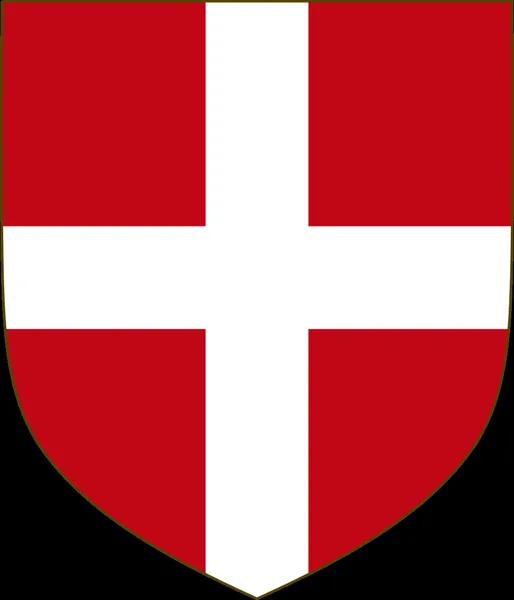
The Order of Knights of the Hospital of Saint John of Jerusalem, commonly known as the Knights Hospitaller (), was a Catholic military order. It was founded in the crusader Kingdom of Jerusalem in the 12th century and had its headquarters there, in Jerusalem and Acre, until 1291, thereafter being based in Kolossi Castle in Cyprus (1302–1310), the island of Rhodes (1310–1522), Malta (1530–1798), and Saint Petersburg (1799–1801). The Hospitallers arose in the early 12th century at the height of the Cluniac movement, a reformist movement within the Benedictine monastic order that sought to strengthen religious devotion and charity for the poor. Earlier in the 11th century, merchants from Amalfi founded a hospital in Jerusalem dedicated to John the Baptist where Benedictine monks cared for sick, poor, or injured Christian pilgrims to the Holy Land. Blessed Gerard, a lay brother of the Benedictine order, became its head when it was established. After the Christian conquest of Jerusalem in 1099 during the First Crusade, the Hospitallers rose in prominence and were recognized as a distinct order by Pope Paschal II in 1113. The Order of Saint John was militarized in the 1120s and 1130s, hiring knights that later became Hospitallers. The organization became a military religious order under its own papal charter, charged with the care and defence of the Holy Land, and fought in the Crusades until the Siege of Acre in 1291. Following the reconquest of the Holy Land by Islamic forces, the knights operated from Rhodes, over which they were sovereign, and later from Malta, where they administered a vassal state under the Spanish viceroy of Sicily. The Hospitallers also controlled the North African city of Tripoli for two decades in the 16th century, and they were one of the smallest groups to have colonized parts of the Americas, briefly acquiring four Caribbean islands in the mid-17th century, which they turned over to France in the 1660s. The knights became divided during the Protestant Reformation, when rich commanderies of the order in northern Germany and the Netherlands became Protestant and largely separated from the Catholic main stem, remaining separate to this day; modern ecumenical relations between the descendant chivalric orders are amicable.
Also on this shelf
Gabion.
Almohad doctrine.
See also
Uncatalogued shelfText from Wikipedia; plate via Wikimedia Commons. Text CC BY-SA 4.0; plate freely licensed (see Commons). Source record. Images and catalogue data are reproduced from open-access collections.