Arms and Armour
Convoy PQ 12
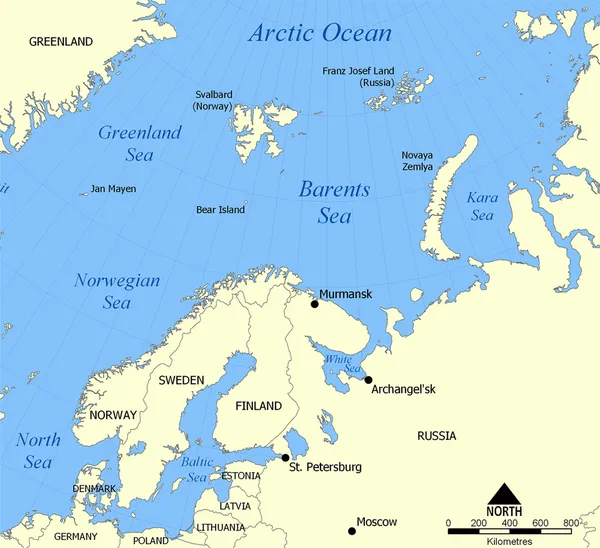
Convoy PQ 12 (1–12 March 1942) was an Arctic convoy sent from Reykjavík in Iceland by the Allies to Murmansk, to supply the Soviet Union during the Second World War. The Germans conducted Operation Sportpalast with the battleship Tirpitz and three destroyers against the convoys but found neither. The Home Fleet attempted to intercept the German flotilla but in the fog and storms both sides lacked the air reconnaissance necessary to find their opponents during the passage of the convoys. The British managed an air attack with Albacore torpedo-bombers on Tirpitz as it returned to base but were unable to hit it and lost two of the bombers. The convoy reached Murmansk for no loss but HMS Oribi suffered ice damage to its bow on the night of 6/7 March and had to be detached from the convoy. On 9 March, one of the escorts, the whaler HMS Shera, capsized in a storm after ice formed on the superstructure, all but three of the crew being lost. Both sides pondered their prospects after the convoy operation. Tovey thought that concentrating the Home Fleet in seas patrolled by U-boats was too risky and that making a maximum effort to sink German ships mattered more than attacking a convoy. The Admiralty took the view that protecting a convoy was the best way to bring the German ships to battle. Seekriegsleitung (SKL, the command staff of the Kriegsmarine) thought that Tirpitz had, by luck, narrowly escaped severe damage at least and it did not sail against a convoy for three months. With the responsibility of protecting Norway from invasion and attacking convoys, SKL decided to reserve the big ships for anti-invasion operations and to attack convoys with destroyers.
Also on this shelf
Battle of Bziyiqo.
Fort Saint-Elme (France).
See also
Uncatalogued shelfText from Wikipedia; plate via Wikimedia Commons. Text CC BY-SA 4.0; plate freely licensed (see Commons). Source record. Images and catalogue data are reproduced from open-access collections.