Arms and Armour
Chutia kingdom
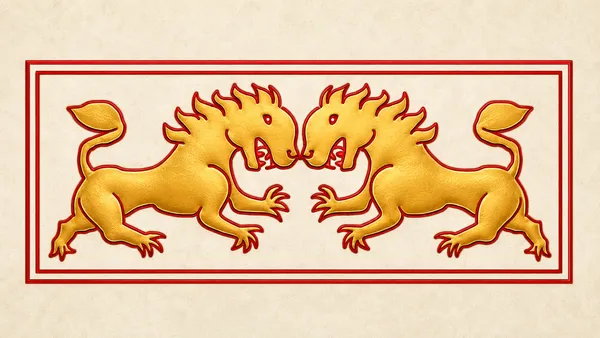
The Chutia kingdom (also Sadiya, Pron: English: /ˈsʊtɪjə/, Assamese: [sutija] or Sutia) was a late medieval state that developed around Sadiya in present Assam and adjoining areas in Arunachal Pradesh. It extended over almost the entire region of present districts of Lakhimpur, Dhemaji, Tinsukia, and parts of Dibrugarh (till the Burhi Dihing) in Assam, as well as the plains and foothills of Arunachal Pradesh. Some authors have suggested that the kingdom may have extended as far west as Viswanath corresponding to the region of present-day Biswanath district, and northward into present-day Arunachal Pradesh, including the Itanagar area. The Chutia rulers exercised power by regulating eastward trade and the movement of people between Assam, Tibet, and southern China. The kingdom fell around the year 1523-24 to the Ahom Kingdom after a series of conflicts, and the capital area ruled by the Chutia rulers became the administrative domain of the office of Sadia Khowa Gohain of the Ahom kingdom. The Chutia kingdom, believed to be founded in the early 13th century around Sadiya and contiguous areas, was one among several rudimentary states (Ahom, Dimasa, Koch, Jaintia etc.) that emerged from tribal political formations in the region after the fall of Kamarupa kingdom, between the 13th and the 16th century. Among these, the Chutia state was the most advanced, with its rural industries, trade, surplus economy and advanced Sanskritisation. It is not exactly known as to the system of agriculture adopted by the Chutias, but it is believed that they were settled cultivators. After the Ahoms annexed the kingdom in 1523-24, the Chutia state & its population was absorbed into the Ahom kingdom through Ahomisation — the nobility and the professional classes were given important positions in the Ahom officialdom and the land was resettled for wet rice cultivation.
Also on this shelf
Capture of Combles.
Futamata Castle.
See also
Uncatalogued shelfText from Wikipedia; plate via Wikimedia Commons. Text CC BY-SA 4.0; plate freely licensed (see Commons). Source record. Images and catalogue data are reproduced from open-access collections.