Arms and Armour
Furusiyya
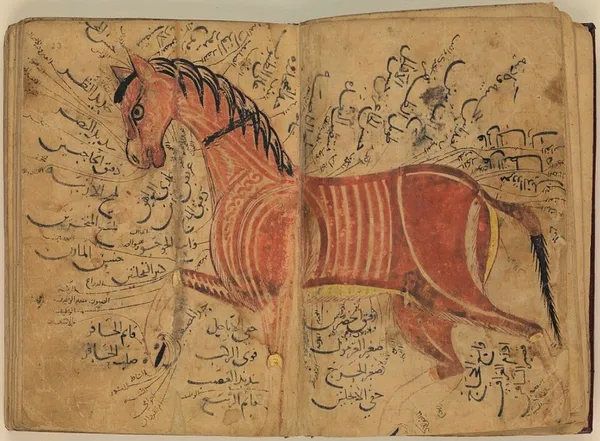
Furūsiyya (Arabic: فروسية; also transliterated as furūsīyah, knighthood) is an Arabic knightly discipline and ethical code developed in the Middle Ages. It was practised in the medieval Muslim world from Afghanistan to Muslim Spain, and particularly during the Crusades and the Mamluk period. The combat form uses martial arts and equestrianism as its foundation. The term furūsiyya is a derivation of faras (فرس) "horse", and in Modern Standard Arabic means "equestrianism" in general. The term for "horseman" or "cavalier" ("knight") is fāris (فارس), which is also the origin of the Spanish rank of alférez. The Perso-Arabic term for "Furūsiyya literature" is faras-nāma or asb-nāma. Faras-nāma is also described as a small encyclopedia about horses. The three basic categories of furūsiyya are horsemanship, including veterinary aspects of proper care for the horse (hippology) and the proper riding techniques (equestrianism), mounted archery, and jousting. Ibn Qayyim al-Jawziyya adds swordsmanship as a fourth discipline in his treatise Al-Furūsiyya (1350). Ibn Akhi Hizam also cited that there are three fundamentals to the furūsiyya: horse mastery, proficiency in handling all types of weapons, and bravery.
Also on this shelf
.44 Henry.
Early Muslim conquests.
See also
Uncatalogued shelfText from Wikipedia; plate via Wikimedia Commons. Text CC BY-SA 4.0; plate freely licensed (see Commons). Source record. Images and catalogue data are reproduced from open-access collections.