Arms and Armour
Friendly fire
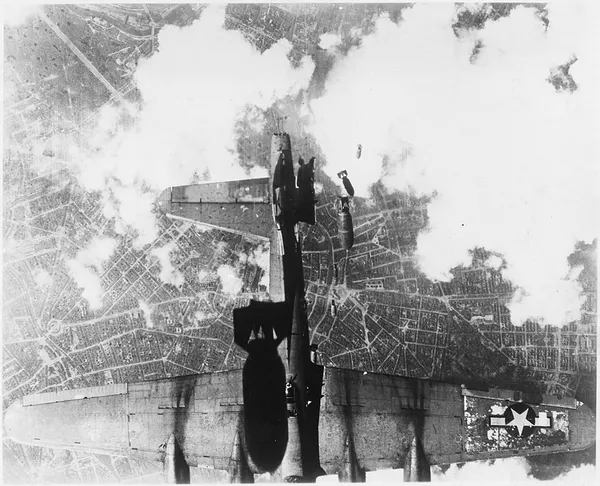
In military terminology, friendly fire or fratricide is an unintentional attack by allied or neutral forces on friendly troops while attempting to attack enemy or hostile targets. Many NATO militaries refer to these incidents as blue on blue. Examples include misidentifying the target as hostile, cross-fire while engaging an enemy, and long-range ranging errors or inaccuracy. Accidental fire not intended to attack enemy or hostile targets, or deliberate firing on one's own troops for disciplinary reasons, is not called friendly fire, and neither is unintentional harm to civilian or neutral targets, which is sometimes referred to as collateral damage. Training accidents and bloodless incidents also do not qualify as friendly fire in terms of casualty reporting. Use of the term friendly in a military context for allied personnel started during the First World War, often when shells fell short of the targeted enemy. The term friendly fire was originally adopted by the United States military; S.L.A. Marshall used the term in Men Against Fire in 1947. In classical forms of warfare where hand-to-hand combat dominated, death from a "friendly" was rare, but in modern warfare, deaths from friendly fire are more common. Friendly fire is not to be confused with fragging, which is the uncondoned intentional (or attempted) killing of servicemen by fellow personnel serving on the same side.
Also on this shelf
Broughty Castle.
John O'Meally.
See also
Uncatalogued shelfText from Wikipedia; plate via Wikimedia Commons. Text CC BY-SA 4.0; plate freely licensed (see Commons). Source record. Images and catalogue data are reproduced from open-access collections.