Arms and Armour
Anti-Catholicism
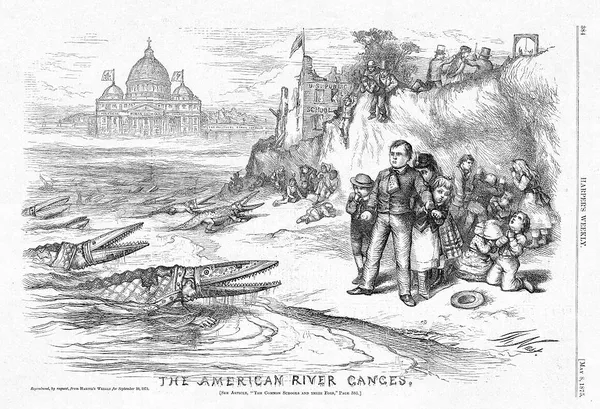
Anti-Catholicism is prejudice or discrimination against Catholics, including opposition to the Catholic Church, its clergy, the authority of the pope, and its adherents. Four categories of anti-Catholicism exist: political, involving concerns about Catholics' loyalty to the state; theological, rooted in disagreement with Catholic doctrines; popular, including fears and accusations that Catholics are heretics or potential traitors; and sociocultural, based on claims that the Church fosters or enables forms of immorality. Following the Reformation, a number of majority-Protestant states, including England, Northern Ireland, Prussia and Germany, Scotland, and the United States, at various times incorporated anti-Catholic rhetoric and policies, including opposition to the authority of Catholic clergy (anti-clericalism) and papal authority (anti-papalism), criticism or mockery of Catholic rituals, and religious discrimination and persecution against Catholics. Several populist movements had anti-Catholic sentiment as a significant component, including segments of Ulster loyalists in Northern Ireland during the Troubles and the second Ku Klux Klan. During the Troubles, some loyalist groups saw perceived links between Catholic communities and apparent Irish republican activity, and Catholics participated in the Northern Ireland Civil Rights Association. The second Ku Klux Klan, led by Imperial Wizard Hiram Wesley Evans, wanted Protestantism to rule supreme and portrayed Catholicism as a threat to the social and political order, with Evans declaring that "Rome shall not rule America." Historically, Catholics in predominantly Protestant countries were frequently suspected of conspiring and harboring political loyalties to the papacy over loyalty to the state. In majority-Protestant countries that experienced large scale immigration, such as the United States and Australia, suspicion of Catholic immigrants and discrimination against them often overlapped with, or was conflated with, nativist, xenophobic, ethnocentric, and racist sentiments. In the early modern period, anti-clerical governments sought to limit the Catholic Church, including contesting or restricting the pope's authority to appoint bishops, confiscating property, expelling Catholic religious orders, banning forms of Classical Christian education, and establishing state-controlled school systems.
Also on this shelf
Edinburgh town walls.
Antoine Virgile Schneider.
See also
Uncatalogued shelfText from Wikipedia; plate via Wikimedia Commons. Text CC BY-SA 4.0; plate freely licensed (see Commons). Source record. Images and catalogue data are reproduced from open-access collections.