Arms and Armour
History of infantry
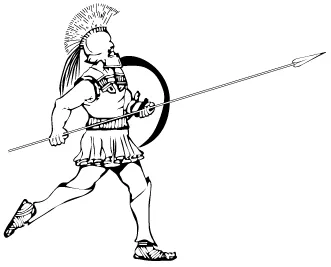
Although the term infantry dates from the 15th century, the foot troops of the previous eras in history who fought with a variety of weapons before the introduction of the firearms are also referred to as infantry. During the Ancient and Middle Ages infantry were often categorized by the types of weapons and armour they used, such as heavy infantry and light infantry. Generally, light infantry acted as skirmishers, scouts, and as a screening force for the more heavily armed and armored heavy infantry, the latter of which often made up the bulk of many historic armies. With the introduction of firearms, line infantry would come to dominate the makeup of most armies, their name reflective of both their formations and fighting style. During this time period, light infantry often served as elite marksmen while retaining their scouting, skirmishing, and screening roles. This era would also see the founding of many naval infantry or marine units. With the introduction of advanced modes of transportation such as motor vehicles, armored fighting vehicles, and aircraft, new tactics and infantry designations were developed, such as motorized, mechanized, and airborne infantry. Specialized units, such as mountain infantry were also created. Light infantry, in the modern sense, has come to represent generalist professional infantry units whom, despite their non-specialized nature, often play an important role in combined arms warfare. The word infantry was borrowed into other Romance languages from the Latin infantem, a "foot soldier" who served in groups composed of those soldiers who were too-inexperienced or too low in rank for membership to the cavalry. As a meaning for an organised type of combat troops, the word dates to 1579 in the French infantrie and Spanish infanteria. However, in military history it has become a common English term to apply to troops from earlier historical periods. With the notable exception of the Mongol Empire, infantry has represented the largest component in most armies of the past, as well as the present.
Also on this shelf
Battle of the Somme.
David Fletcher (military historian).
See also
Uncatalogued shelfText from Wikipedia; plate via Wikimedia Commons. Text CC BY-SA 4.0; plate freely licensed (see Commons). Source record. Images and catalogue data are reproduced from open-access collections.