Architecture
Croats of Bosnia and Herzegovina
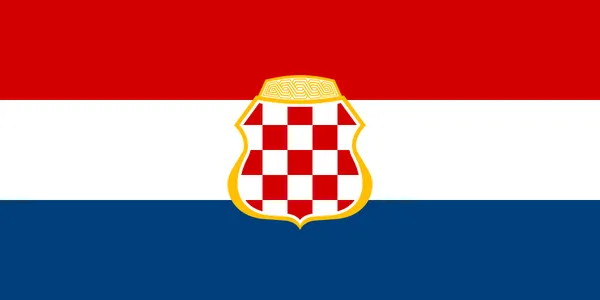
The Croats of Bosnia and Herzegovina (Croatian: Hrvati Bosne i Hercegovine), often referred to as Bosnian Croats (bosanski Hrvati) or Herzegovinian Croats (hercegovački Hrvati), are native to Bosnia and Herzegovina and constitute the third most populous ethnic group, after Bosniaks and Serbs. They are one of the three constitutive nations of Bosnia and Herzegovina. Most Croats identify themselves as Catholics and speak Croatian. The 2013 population census in Bosnia and Herzegovina recorded 544,780 residents registering as of Croat ethnicity. Croats have been present in Bosnia and Herzegovina since the Slavic migrations to the Balkans in the 7th century and have been associated with Western Christianity. They lived in regions that were part of the Kingdom of Croatia under native rulers and, later, in personal union with Hungary, encompassing large parts of Bosnia and Herzegovina in the west until the 16th century. The Croats also lived under the Kingdom of Bosnia until it fell to the Ottoman Empire in the second half of the 15th century. Between the 15th and 19th centuries, the Croats as Catholics were a special confessional community within the Ottoman Bosnia and Herzegovina. Although the majority were serfs, they dominated the trade, while the Bosnian Franciscans, the only surviving remnant of the medieval Bosnian kingdom, were the leading cultural and educational institution. However, the Catholics were often persecuted by the Ottomans, prompting many to flee the area, especially during the Great Turkish War and the Morean War in the second half of the 17th century, when their status diminished and their numbers were reduced to 30,000. At the end of the 17th century and in the early 18th century, the number of Catholics began to increase, with many of those who had fled returning. In the second half of the 19th century, especially during the Austro-Hungarian rule in Bosnia and Herzegovina, the Croats became active political subjects, participating in Croatian national revival and developing their own modern political, cultural and educational institutions. After World War I, the Croats of Bosnia and Herzegovina became part of the Kingdom of Serbs, Croats and Slovenes, later Yugoslavia. During the World War II, Bosnia and Herzegovina was incorporated into the Independent State of Croatia.
Also on this shelf
Church of Saint Anthony of Padua, Istanbul.
Arundel Cathedral.
See also
Uncatalogued shelfText from Wikipedia; plate via Wikimedia Commons. Text CC BY-SA 4.0; plate freely licensed (see Commons). Source record. Images and catalogue data are reproduced from open-access collections.