Architecture
Neapolitan Renaissance
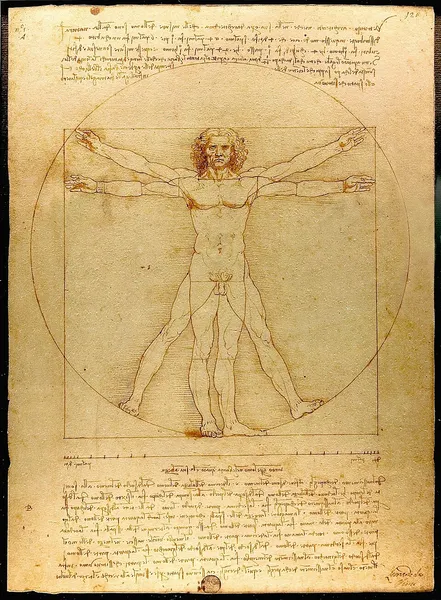
The Renaissance in Naples refers to the development of Renaissance art and humanism in the capital and throughout the Kingdom of Naples. The period began in the early decades of the fifteenth century, with the arrival of works by Donatello and other Florentine sculptors and painters in the service of the Angevin court, and reached maturity after the conquest of the kingdom by the Crown of Aragon in the 1440s, which further strengthened ties with Florence and Milan. The artistic production of this period was not always the work of local artists, but often of foreigners who arrived as authorised delegations within the framework of commercial and peace agreements established by the conditions of international geopolitics. The emergence of a distinct local artistic production had to await the end of the fifteenth century and coincided with the spread of the maniera moderna of Michelangelo, Leonardo da Vinci, Bramante, Raphael, Jacopo Sansovino and Polidoro da Caravaggio, whose works became the principal influences on artists of the kingdom. Moreover, Aragonese Naples was one of the principal trading ports of the southern Mediterranean Sea, together with those of Sicily, maintaining commercial and cultural relations with what remained of the Byzantine Empire in the east and with the Spanish kingdoms. The close relationship with the latter, also linked to the fact that they shared the same ruling dynasty, became an important channel for the dissemination of the Italian Renaissance in the Iberian Peninsula. This historical and artistic phenomenon, which encompassed fields ranging from philology to political thought and, in the arts, included painting, sculpture and architecture, reached its height between the end of the fourteenth century and the final years of the fifteenth century. Like much of the Italian peninsula, the period came to an end around the close of the third decade of the sixteenth century as a consequence of the political events that affected the entire continent.
Also on this shelf
Balanga Cathedral.
Beauvais Cathedral.
See also
Uncatalogued shelfText from Wikipedia; plate via Wikimedia Commons. Text CC BY-SA 4.0; plate freely licensed (see Commons). Source record. Images and catalogue data are reproduced from open-access collections.