Architecture
Federal modernism
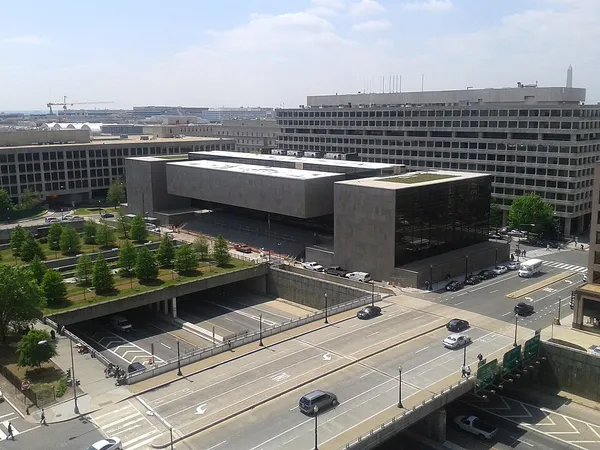
Federal modernism is an architectural style which emerged in the twentieth century encompassing various styles of modern architecture used in the design of federal buildings in the United States. Federal buildings in this style shunned ornamentation, focusing instead on functional efficiency and low costs. There is no universally accepted start date for federal modernism, with some early variants of modernism emerging as early as the 1920s, but the term is most often associated with the buildings built by the U.S. General Services Administration (GSA) in the 1950s through 1970s. Prominent architects associated with federal modernism include Ludwig Mies van der Rohe, Marcel Breuer, Walter Gropius, and Victor Lundy. Federal modernism has been criticized by some architects and politicians, including Donald Trump, either because they believe it lacks "authority" or due to a perceived lack of beauty.
Also on this shelf
Ely Cathedral.
Cathedral of Christ the Saviour (Kaliningrad).
See also
Uncatalogued shelfText from Wikipedia; plate via Wikimedia Commons. Text CC BY-SA 4.0; plate freely licensed (see Commons). Source record. Images and catalogue data are reproduced from open-access collections.