Architecture
Architecture of Ghana
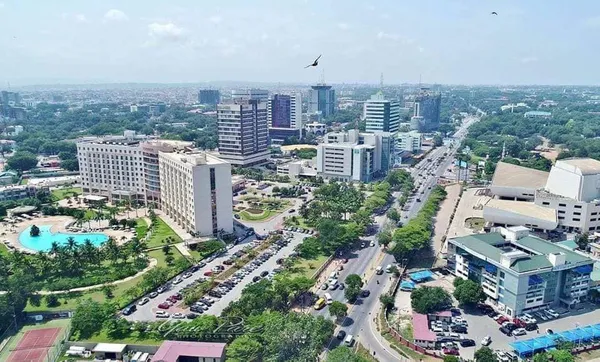
The architecture of Ghana is influenced by a variety of historical, cultural, and environmental factors. Its architectural heritage consists of traditional architectural styles, monumental and symbolic architecture, and historic buildings and neighbourhoods. Architecture found across the country can be classified into indigenous architecture of the various ethnic groups, architecture of the colonial era, the tropical modernist style of the independence era, and architecture in contemporary times. Traditional Ghanaian architecture is marked by the use of local materials such as mud, wood, grass and thatch, and is characterised by its adaptability to the local climate and environment. Indigenous structures, such as the Asante and Mole-Dagbani buildings were constructed using techniques like wattle and daub, with decorative bas-relief patterns, and features cultural symbols such as Adinkra motifs. With the arrival of the Europeans in the 15th century, architectural styles such as Gothic Revival were introduced, influencing the design of churches, and Neoclassical elements became prominent in government buildings and residential structures. This fusion of European influences with traditional indigenous construction methods brought about a change in the country's architectural landscape. From the late 1950s, the architectural scene of Ghana saw the rise of Tropical Modernism, which combined modernist principles with the need for buildings adapted to the country's tropical climate. Characteristics of this style include the emphasis on natural ventilation, shading, and the use of locally sourced materials, with a focus on sustainability and functionality. In contemporary Ghana, architecture has evolved to incorporate a blend of traditional and modern elements. Locally available materials, energy-efficient designs, and construction methods adapted to the tropical climate influence building practices.
Also on this shelf
Aarhus.
Christ Church, Albany Street.
See also
Uncatalogued shelfText from Wikipedia; plate via Wikimedia Commons. Text CC BY-SA 4.0; plate freely licensed (see Commons). Source record. Images and catalogue data are reproduced from open-access collections.