Architecture
Palace
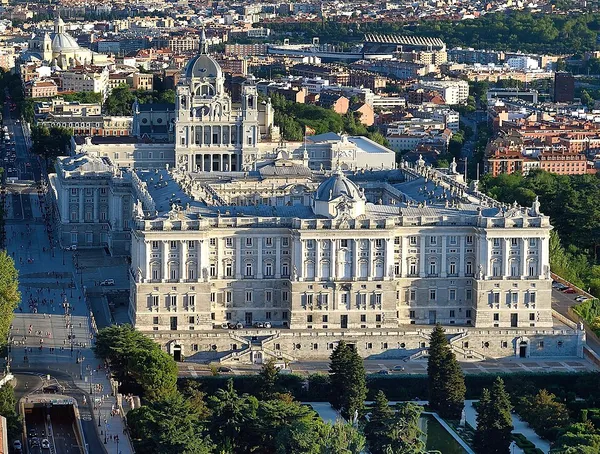
A palace is a large residence, often serving as a royal residence or the home for a head of state or another high-ranking dignitary, such as a bishop or archbishop. The word is derived from the Latin word palātium, for Palatine Hill in Rome, which housed the Imperial residences. Most European languages have a version of the term (palats, palais, palazzo, palacio, etc.) and many use it to describe a broader range of buildings than English. In many parts of Europe, the equivalent term is also applied to large private houses in cities, especially of the aristocracy. It is also used for some large official buildings that have never had a residential function; for example in French-speaking countries Palais de Justice is the usual name of important courthouses. Many historic palaces such as parliaments, museums, hotels, or office buildings are now put to other uses. The word is also sometimes used to describe an elaborate building used for public entertainment or exhibitions such as a movie palace. A palace is typically distinguished from a castle in that the latter is fortified or has the style of a fortification, whereas a palace does not.
Also on this shelf
Agde Cathedral.
Haga Palace Ruins.
See also
Uncatalogued shelfText from Wikipedia; plate via Wikimedia Commons. Text CC BY-SA 4.0; plate freely licensed (see Commons). Source record. Images and catalogue data are reproduced from open-access collections.