Architecture
History of Naples
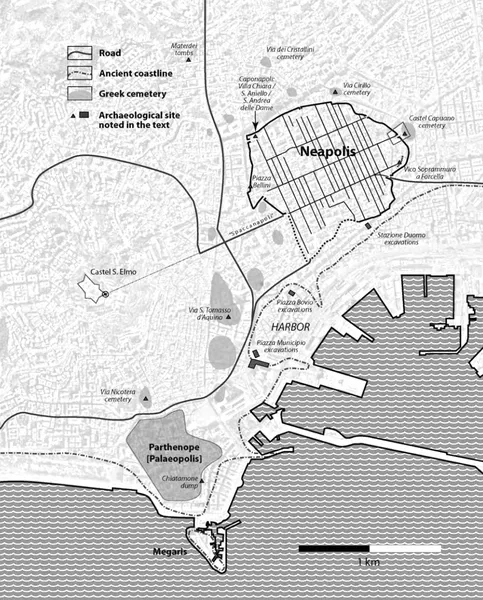
The history of Naples is long and varied, dating to Greek settlements established in the Naples area in the 2nd millennium BC. During the end of the Greek Dark Ages a larger mainland colony – initially known as Parthenope – developed on the Pizzofalcone hill in the 8th century BC, and was refounded as Neapolis in the 6th century BC: it held an important role in Magna Graecia. The Greek culture of Naples was important to later Roman society. When the city became part of the Roman Republic in the central province of the Empire, it was a major cultural centre. It served as the capital of the Duchy of Naples (661–1139), of the Kingdom of Sicily, of the Kingdom of Naples (1282–1816) and finally of the Two Sicilies until the unification of Italy in 1861. The city has seen the rise and fall of several civilisations and cultures, each of which has left traces in its art and architecture, and during the Renaissance and the Enlightenment was a major centre of culture. It was also a capital of the Baroque, beginning with the artist Caravaggio's career in the 17th century, and the artistic revolution he inspired. During the Neapolitan War, the city rebelled against the Bourbon monarchs, spurring the early push towards Italian unification. Today, Naples is part of the Italian Republic, the third largest municipality (central area) by population after Rome and Milan, and has the second or third largest metropolitan area of Italy.
Also on this shelf
Campos Eliseos Palace.
Cathedral of Saint Patrick (Harrisburg, Pennsylvania).
See also
Uncatalogued shelfText from Wikipedia; plate via Wikimedia Commons. Text CC BY-SA 4.0; plate freely licensed (see Commons). Source record. Images and catalogue data are reproduced from open-access collections.