Architecture
Architecture of Stockholm
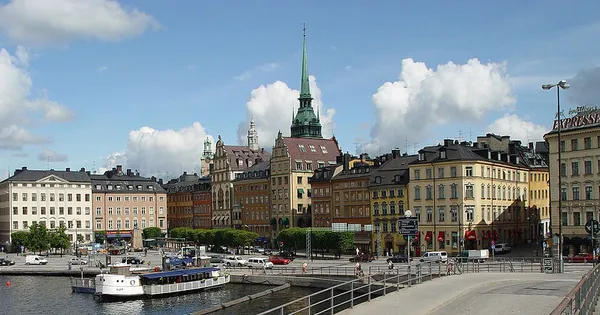
The architecture of Stockholm has a history that dates back to the 13th century, possibly even earlier. According to some sources, there might have been a simple defense structure, perhaps a small castle, on the northeast part of the island Stadsholmen. Buildings in Stockholm are characterized by their unique location between Lake Mälaren and the Baltic Sea. The Hanseatic League during the great period of industrialization saw a strong desire to modernize the city. The design of most major buildings shows foreign influences. During the 17th century and 18th century, foreign architects were recruited to build the city and in recent periods Swedish architects often drew inspiration from their tours to Europe, and in the 20th century particularly, the United States. Foreign trends tended to arrive later in Sweden and were adapted to Swedish tradition and taste. Neoclassicism became the Swedish Gustavian style, and the classicism of the 1920s, including Art Deco, became a separate style, often called Swedish Grace. Stockholm's historic buildings are largely conserved because the city has escaped destruction through war, which was commonplace in Europe. The infrastructure of Stockholm is in many ways connected to the buildings themselves, as such, major infrastructural components will be discussed in this article.
Also on this shelf
Castelló Co-Cathedral.
Charles II of Parma.
See also
Uncatalogued shelfText from Wikipedia; plate via Wikimedia Commons. Text CC BY-SA 4.0; plate freely licensed (see Commons). Source record. Images and catalogue data are reproduced from open-access collections.