Architecture
Art Deco architecture
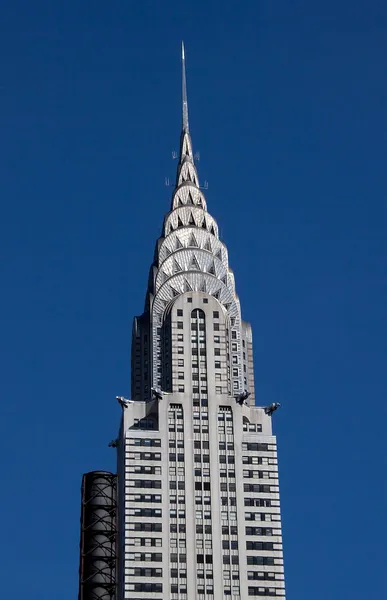
Art Deco, short for the French Arts décoratifs (lit. 'Decorative Arts'), is an architectural style that first appeared in Paris in the 1910s before World War I and flourished internationally throughout the 1920s and 1930s. Art Deco has influenced buildings from skyscrapers to cinemas, bridges, ocean liners, trains, cars, trucks, and buses. During its heyday, Art Deco represented luxury, glamour, exuberance, and faith in social and technological progress. The movement featured rare and expensive materials such as ebony and ivory, as well as exquisite craftsmanship. It also introduced new materials such as chrome plating, stainless steel, and plastic. In New York, the Empire State Building, Chrysler Building, and other buildings from the 1920s and 1930s are monuments to the style. The largest concentration of Art Deco architecture in the world is in Miami Beach, Florida. Mike Hope lists 48 other types of labels used in Art Deco architecture.
Also on this shelf
Basilica di Sant'Apollinare.
Carafa family.
See also
Uncatalogued shelfText from Wikipedia; plate via Wikimedia Commons. Text CC BY-SA 4.0; plate freely licensed (see Commons). Source record. Images and catalogue data are reproduced from open-access collections.