Architecture
Iranian architecture
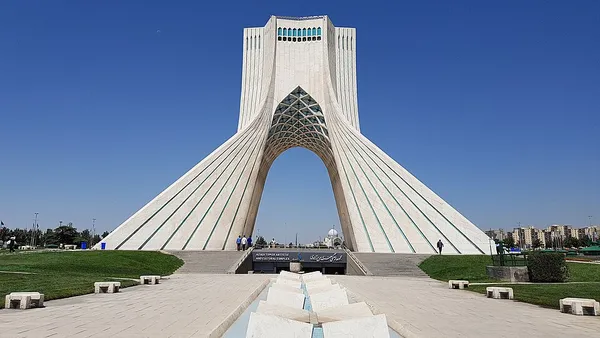
Iranian architecture or Persian architecture is the architecture of Iran and parts of the rest of West Asia, the Caucasus and Central Asia. Its history dates back to at least 5000 BC with characteristic examples distributed over a vast area from Turkey and Iraq to Uzbekistan and Tajikistan. Iranian buildings vary greatly in scale and function, from vernacular architecture to monumental complexes. In addition to historic gates, palaces, and mosques, the rapid growth of cities such as the capital Tehran has brought about a wave of demolition and new construction. According to American historian and archaeologist Arthur Pope, the supreme Iranian art, in the proper meaning of the word, has always been its architecture. The supremacy of architecture applies to both pre- and post-Islamic periods. Iranian architecture displays great variety, both structural and aesthetic, from a variety of traditions and experiences. Without sudden innovations, and despite the repeated trauma of invasions and cultural shocks, it developed a recognizable style distinct from other regions of the Muslim world. Its virtues are "a marked feeling for form and scale; structural inventiveness, especially in vault and dome construction; a genius for decoration with a freedom and success not rivaled in any other architecture".
Also on this shelf
Agrippina the Younger.
Death of Beatrice d'Este.
See also
Uncatalogued shelfText from Wikipedia; plate via Wikimedia Commons. Text CC BY-SA 4.0; plate freely licensed (see Commons). Source record. Images and catalogue data are reproduced from open-access collections.