Architecture
Corbel
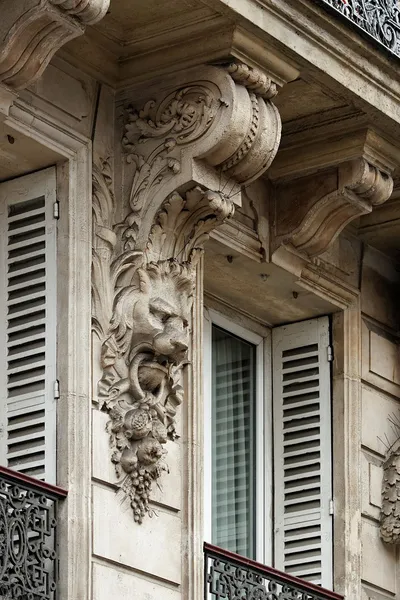
In architecture, a corbel is a structural piece of stone, wood, or metal keyed into and projecting from a wall to carry a bearing weight, a type of bracket. A corbel is a solid piece of material in the wall, whereas a console is a piece applied to the structure. A piece of timber projecting in the same manner was called a "tassel" or a "bragger" in England. The technique of corbelling, where rows of corbels deeply keyed inside a wall support a projecting wall or parapet, has been used since Neolithic (New Stone Age) times. It is common in medieval architecture and in the Scottish baronial style as well as in the vocabulary of classical architecture, such as the modillions of a Corinthian cornice. The corbel arch and corbel vault use the technique systematically to make openings in walls and to form ceilings. These are found in the early architecture of most cultures, from Eurasia to Pre-Columbian architecture. A console is more specifically an S-shaped scroll bracket in the classical tradition, with the upper or inner part larger than the lower (as in the first illustration) or outer. Keystones are also often in the form of consoles. Whereas "corbel" is rarely used outside architecture, "console" is widely used for furniture, as in console table, and other decorative arts where the motif appears. The word corbel comes from Old French and derives from the Latin corbellus, a diminutive of corvus ("raven"), which refers to the beak-like appearance. Similarly, the French refer to a bracket-corbel, usually a load-bearing internal feature, as a corbeau ("crow").
Also on this shelf
Architecture of Quebec City.
Francesco Pisani.
See also
Uncatalogued shelfText from Wikipedia; plate via Wikimedia Commons. Text CC BY-SA 4.0; plate freely licensed (see Commons). Source record. Images and catalogue data are reproduced from open-access collections.