Architecture
Architecture of Spokane, Washington
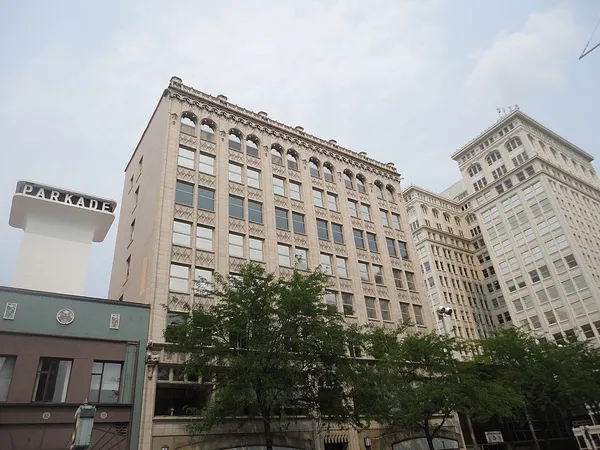
Spokane and its neighborhoods contain a patchwork of architectural styles that give them a distinct identity and illustrate the changes throughout the city's history. Spokane has a rich architectural history for a western city of its size and much of it is a product of its circumstances at the turn of the 20th century when as a rapidly growing city, the Great Fire of 1889 destroyed 32 blocks of the city center which was quickly rebuilt in a more grand fashion by a community flush with money coming from regional mining districts. Many of the architects that found work in the city and building on the blank slate of the downtown commercial district became highly esteemed architects such as Kirtland Cutter, who has been credited with giving the city a distinctive character. In particular, the city has a high concentration of Romanesque Revival style institutional and commercial buildings and American Craftsman bungalow residences. The architecture of Spokane gained national recognition in industry publications in the early 20th century. In the second half of the 20th century, Spokane again became noticed for its architecture, this time by a new cadre of architects in the modern architecture movement, which flourished in the city. During this period which lasted from 1948 to the mid-1970s, prolific architects in the city such as Warren C. Heylman gave Spokane a great breadth of mid-century architecture. The modernists in Spokane gave the city a new look and were instrumental in the developments, design, and legacy of the Expo '74 World's Fair in what is now Riverfront Park. The city's landscape architecture and park system was strongly influenced by the Olmsted Brothers, who designed a comprehensive plan for Spokane's park system in 1908 and was implemented almost in its entirety with a $1 million ($34.6 million in 2025 dollars) bond issue in 1910. Manito Park, which was the city's primary community park until 1974, is noteworthy for having a European style formal garden with input from the Olmsted Brothers and a Japanese Garden designed by Nagao Sakurai.
Also on this shelf
Forlivese school of art.
Fountain in Piazza Santa Maria in Trastevere.
See also
Uncatalogued shelfText from Wikipedia; plate via Wikimedia Commons. Text CC BY-SA 4.0; plate freely licensed (see Commons). Source record. Images and catalogue data are reproduced from open-access collections.