Architecture
Architecture of Hungary
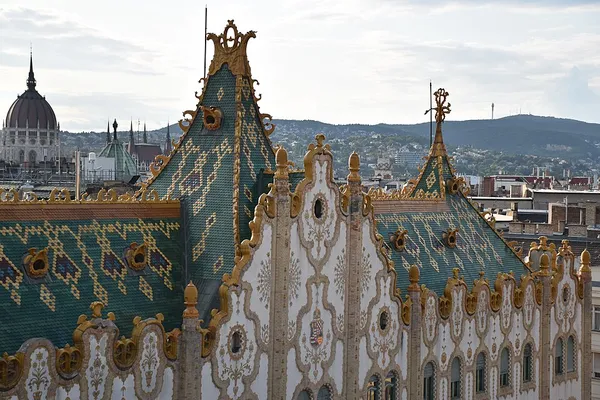
The architecture of Hungary is understood as the architecture of the territory of Hungary, and in a wider sense the historical territory of the Kingdom of Hungary. Architecture in Hungary reflects historical influences from foreign occupation, notably by the Habsburg, Ottoman and Soviet empires. Major architectural styles represented include Romanesque, Gothic and Renaissance from the medieval period, Ottoman, Baroque and Classical from the early modern period, Art Noveau from the late modern period, and Soviet from the mid-to-late 20th century. Characteristic of vernacular architecture in rural Hungary is the use of adobe, brick and timber in construction, and tiled or thatched roofs, often featuring carved woodwork and folk motifs. Architectural features preserved in vernacular tradition have been reinterpreted in public architecture, by the likes of Ödön Lechner, Imre Makovecz and Karóly Kós, often drawing on folk heritage and historical connections to the broader Eurasian-Steppe and Central Asia.
Also on this shelf
Carignano (Genoa).
George Edmund Street.
See also
Uncatalogued shelfText from Wikipedia; plate via Wikimedia Commons. Text CC BY-SA 4.0; plate freely licensed (see Commons). Source record. Images and catalogue data are reproduced from open-access collections.