Ancient World
Cladh Hallan Mummies
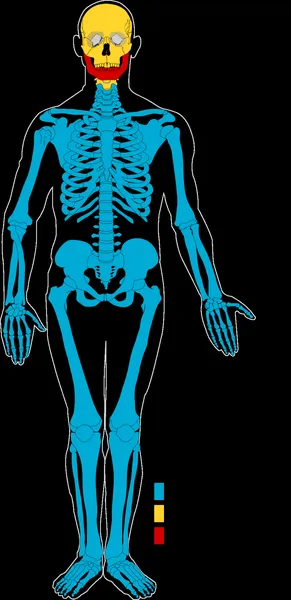
The Cladh Hallan mummies are two composite skeletons discovered in 2001 at Cladh Hallan, a prehistoric settlement on South Uist in Scotland's Outer Hebrides. Each was assembled from the remains of at least three people. Although no preserved skin or other soft tissue survived, analysis of the bones indicated that the bodies had been mummified before their eventual burial beneath a roundhouse floor. The people whose remains formed the two bodies died during the Bronze Age, at different times between approximately 1600 and 1100 BCE. The composite bodies were buried during the construction of a row of adjoining roundhouses in the eleventh century BCE, long after some of the individuals had died. Changes to the bones suggest that they had previously been exposed to an acidic environment, most likely a peat bog, which helped preserve them. The remains provided the first evidence of mummification in prehistoric Britain. Their preservation, rearrangement and burial have been interpreted as evidence of an enduring relationship between the living and the dead. Researchers have suggested that combining remains from different people may have brought together ancestral identities or lines of descent, although the purpose of the practice remains uncertain.
Also on this shelf
Bhimbetka rock shelters.
Downtown Amman.
See also
Uncatalogued shelfText from Wikipedia; plate via Wikimedia Commons. Text CC BY-SA 4.0; plate freely licensed (see Commons). Source record. Images and catalogue data are reproduced from open-access collections.