Ancient World
Djedkare Isesi
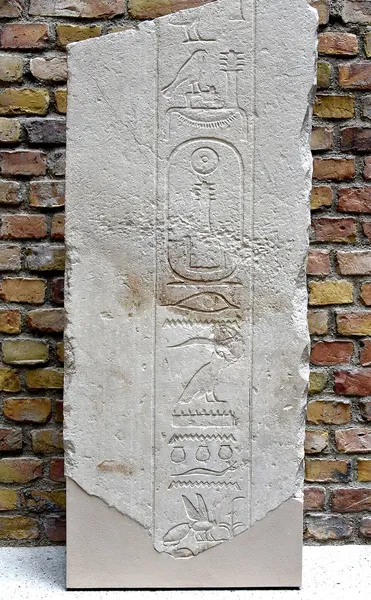
Djedkare Isesi (known in Greek as Tancheres) was a pharaoh, the eighth and penultimate ruler of the Fifth Dynasty of Egypt in the late 25th century to mid-24th century BC, during the Old Kingdom. Djedkare succeeded Menkauhor Kaiu and was in turn succeeded by Unas. His relationship to both of these pharaohs remain uncertain, although it is often conjectured that Unas was Djedkare's son, owing to the smooth transition between the two pharaohs. Djedkare Isesi likely enjoyed a reign of more than 40 years, which heralded a new period in the history of the Old Kingdom. Breaking with a tradition followed by his predecessors since the time of Userkaf, Djedkare did not build a temple to the sun god Ra, possibly reflecting the rise of Osiris in the Egyptian pantheon. More significantly, Djedkare effected comprehensive reforms of the Egyptian state administration, the first undertaken since the inception of the system of ranking titles. He also reorganised the funerary cults of his forebears buried in the necropolis of Abusir and reformed the corresponding priesthood. Djedkare commissioned expeditions to Sinai to procure copper and turquoise, to Nubia for its gold and diorite and to the fabled Land of Punt for its incense. One such expedition had what could be the earliest recorded instance of oracular divination undertaken to ensure an expedition's success. The word "Nub", meaning gold, to designate Nubia is first recorded during Djedkare's reign. Under his rule, Egypt also entertained continuing trade relations with the Levantine coast and made punitive raids in Canaan. In particular, one of the earliest depictions of a battle or siege scene was found in the tomb of one of Djedkare's subjects. Djedkare is believed to have been buried in a pyramid in Saqqara named Nefer Djedkare ("Djedkare is perfect"), which is now ruined owing to theft of stone from its outer casing during antiquity. When excavated in the 1940s, the burial chamber contained mummified skeletal remains thought to belong to Djedkare. Examinations of the mummy revealed the individual died in his fifties. A clue to the identity of the remains came from skeletal and blood type comparisons with those of two females thought to be Djedkare's daughters buried in the nearby Southern Cemetery at Abusir.
Also on this shelf
Cinq-Mars pile.
Cucuteni–Trypillia culture.
See also
Uncatalogued shelfText from Wikipedia; plate via Wikimedia Commons. Text CC BY-SA 4.0; plate freely licensed (see Commons). Source record. Images and catalogue data are reproduced from open-access collections.