Ancient World
Folsom tradition
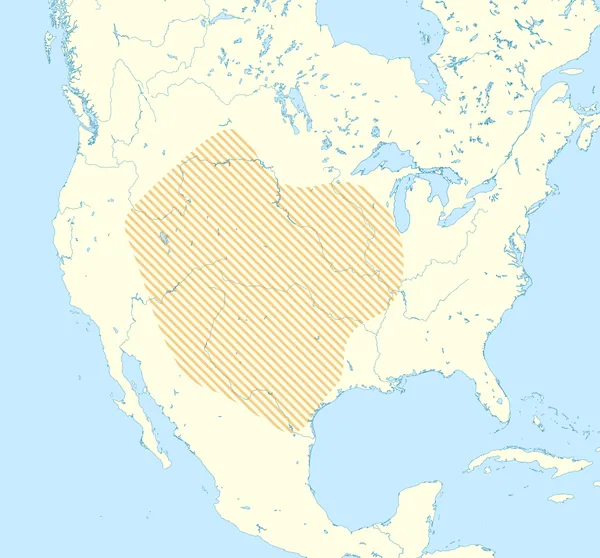
The Folsom tradition is a Paleo-Indian archaeological culture that occupied much of central North America from c. 10800 BCE to c. 10200 BCE. The term was first used in 1927 by Jesse Dade Figgins, director of the Denver Museum of Nature and Science. The discovery by archaeologists of projectile points in association with the bones of extinct Bison antiquus, especially at the Folsom site near Folsom, New Mexico, established much greater antiquity for human residence in the Americas than the previous scholarly opinion that humans in the Americas dated back only 3,000 years. The findings at the Folsom site have been called the "discovery that changed American archaeology."
Also on this shelf
Hemaka.
Ancient bridges over the Loire in the Touraine area.
See also
Uncatalogued shelfText from Wikipedia; plate via Wikimedia Commons. Text CC BY-SA 4.0; plate freely licensed (see Commons). Source record. Images and catalogue data are reproduced from open-access collections.