Ancient World
Archaeological looting
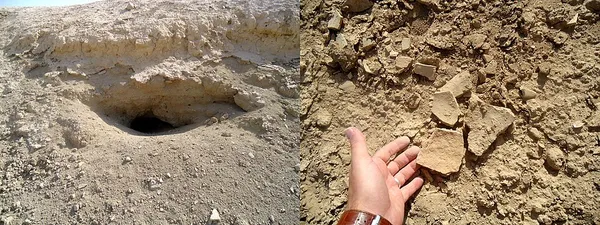
Archaeological looting is the illicit removal of artifacts from an archaeological site. Such looting is the major source of artifacts for the antiquities market. Looting typically involves either the illegal exportation of artifacts from their country of origin or the domestic distribution of looted goods. Looting has been linked to the economic and political stability of the possessing nation, with levels of looting increasing during times of crisis, but it has been known to occur during peacetimes and some looters take part in the practice as a means of income, referred to as subsistence looting. However, looting is also endemic in so-called "archaeological countries" like Italy, Greece, Turkey, Cyprus and other areas of the Mediterranean Basin, as well as many areas of Africa, South East Asia and Central and South America, which have a rich heritage of archaeological sites, a large proportion of which are still unknown to formal archaeological science. Many countries have antique looting laws which state that the removal of the cultural object without formal permission is illegal and considered theft. Looting is not only illegal; the practice may also threaten access to cultural heritage. Grave robbery can constitute a type of archaeological looting. Often, grave robbing involves stealing artefacts or personal items from the burial which may later be sold on the black market.
Also on this shelf
Elkab.
Gebelein.
See also
Uncatalogued shelfText from Wikipedia; plate via Wikimedia Commons. Text CC BY-SA 4.0; plate freely licensed (see Commons). Source record. Images and catalogue data are reproduced from open-access collections.