Ancient World
Ifẹ
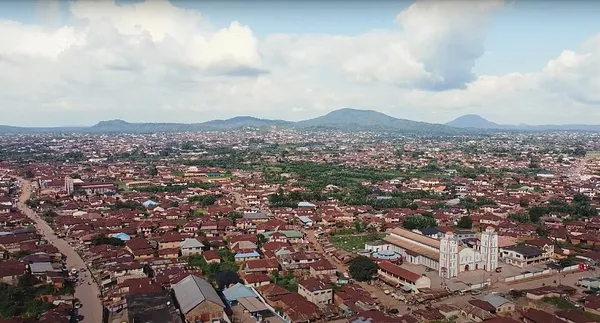
Ifẹ̀ (Yoruba: Ifẹ̀ , also called Ilé-Ifẹ̀) is an ancient Yoruba city in south-western Nigeria founded sometime between the years 1000 BC and 500 BC. By 900 AD, the city had become an important West African emporium producing sophisticated art forms. The city is located in present-day Osun State. Ifẹ̀ is about 218 kilometres northeast of Lagos with a population of over 500,000 people, which is the highest in Osun State according to population census of 2006. According to the traditions of the Yoruba religion, Ilé-Ifẹ̀ was founded by the order of the Supreme Deity Olódùmarè by Ọbatala. It then fell into the hands of his brother Oduduwa, which created enmity between the two. Oduduwa created a dynasty there, and sons and daughters of this dynasty became rulers of many other kingdoms in Yorubaland. The first Ọọ̀ni of Ifẹ̀ was a descendant of Oduduwa, who was the 401st Orisha. The present ruler since 2015 is Oba Adeyeye Enitan Ogunwusi Ojaja II, Ọọ̀ni of Ifẹ̀ who is also a Nigerian accountant. Named as the city of 401 deities, Ifẹ̀ is home to many devotees/votaries of these deities and is where they are routinely celebrated through festivals. Ilé-Ifẹ̀ is famous for its ancient and naturalistic bronze, stone and terracotta sculptures, dating back to between 1200 and 1400 AD.
Also on this shelf
Department of Egyptian Antiquities of the Louvre.
Archaeological Museum of Ancient Corinth.
See also
Uncatalogued shelfText from Wikipedia; plate via Wikimedia Commons. Text CC BY-SA 4.0; plate freely licensed (see Commons). Source record. Images and catalogue data are reproduced from open-access collections.