Ancient World
Aromata
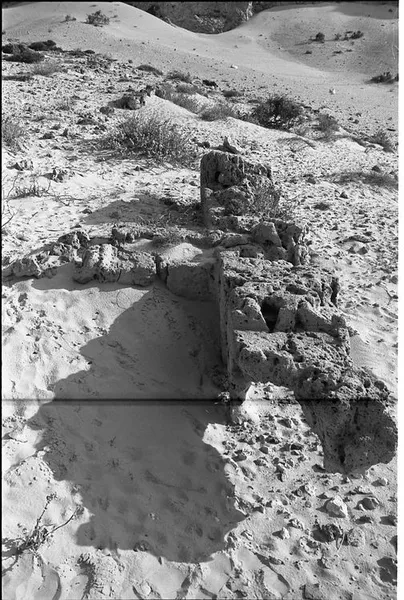
Aromata (Ancient Greek: Ἀρώματα, lit. “spices, aromatics”), also known as the Spice Port or the Market and Cape of Spices, was an ancient seaport and emporium in northeastern Somalia during Classical Antiquity and Late Antiquity. Situated near present-day Cape Guardafui, itself known as the “Promontory/Cape of Spices” (Aromaton akron, Αρώματον ἄκρον). it occupied the eastern extremity of the northern Somali coast. Aromata was renown in the ancient world for its role in the incense and spice trade, serving as a major commercial centre for the production and export of resin, fragrant gums, herbs, and various varieties of cinnamon, from which its toponym derived. The port is chiefly known through the Periplus of the Erythraean Sea, as well as Geography by Claudius Ptolemy and Ethnica by Stephanus of Byzantium, where it is recorded. Aromata is identified with the site of Damo, where British archaeologist Neville Chittick discovered Roman pottery and the ruins of the old settlement, supporting this identification. Previously, G. W. B. Huntingford had instead identified Aromata with Olok (Olog), located 3 kilometres (1.9 mi) to the west.
Also on this shelf
Copper Bull.
Città di Castello.
See also
Uncatalogued shelfText from Wikipedia; plate via Wikimedia Commons. Text CC BY-SA 4.0; plate freely licensed (see Commons). Source record. Images and catalogue data are reproduced from open-access collections.